

 The Vanguard
 Posted on Jan. 5, 2026 at 12:03 pm
For generations, the San Juanico Bridge has been more than just steel and concrete. It’s the link between our families in Samar and Leyte, the route for our farm goods to reach the market, and the path for students, workers, and travelers. Recently, it’s also been at the center of a tough problem: how do we keep it safe while also keeping our region moving forward?
In 2025, a strict weight limit was placed on the bridge to protect its aging structure. Only very light vehicles could cross during the day. While necessary for safety, this “band-aid” solution caused real pain. Bus drivers saw their incomes vanish as passengers chose other routes. The cost of transporting goods like rice, coconuts, and construction materials went up, affecting prices for everyone. The bridge, our symbol of connection, had become a bottleneck.
Just before the holidays, a new plan was put in place—a cautious, nighttime experiment. From 10PM to 5AM, heavier trucks and buses, up to 30 tons, are now allowed to cross in a carefully managed, one-way flow. Engineers from the national government have checked the bridge and say this can be done safely under these strict conditions.
This change is a relief. It means more stable jobs for drivers, lower costs for businesses, and essential goods flowing more freely. It’s a recognition that our community’s economic health is tied to the bridge’s physical health. As Tacloban City Mayor Alfred Romualdez stated, the earlier restrictions weren’t just a local issue; they impacted the entire country’s economy.
However, this new access is a privilege, not a right. It comes with one major rule: absolute responsibility.
The mayor’s warning is serious and based on physics. Heavy vehicles moving too fast create powerful vibrations that can crack and weaken the bridge over time. The 30-ton limit and the slow, nighttime schedule are carefully calculated. Breaking these rules isn’t just a traffic violation; it’s a direct threat to the bridge’s future and to everyone who depends on it.
The bridge is like a shared heirloom, like a prized family baluto (boat) that we all need to use. But if one person overloads it or drives it recklessly, they risk sinking it for everyone. The government has set the safety rules. But they can’t be everywhere at once. The real guardians of the bridge are us.
We must be informed. Understand why the rules exist. It’s not about control; it’s about preservation. Share this knowledge with your family, especially if someone drives for a living.
Be a voice. If you see or hear about trucks speeding on the bridge or trying to cross during the day, speak up. Respectful accountability within our community is powerful. Use your social media not just for fun, but to spread awareness about protecting our bridge.
Let’s think long-term. The nighttime solution is temporary, a balance struck while long-term repairs are planned. Our collective behavior now will determine if this balance can last. It’s a test of our maturity as a region.
As we move forward in this new year, let’s commit to being worthy caretakers of this iconic symbol. Let’s prove that the people of Eastern Visayas can be trusted with their own future. The call is for drivers to obey the speed limit, for businesses to respect the schedule, for officials to enforce the rules fairly, and for every citizen—farmers, fishers, students, and elders—to value this shared responsibility.
Our bridge has connected our islands for decades. Now, let our shared commitment to protecting it connect and define us. Its strength depends on ours. Tipigan naton nga marig-on ngan talwas an San Juanico.


 Price Relief in Sight: Eastern Visayas Inflation Hits Historic Low
  30-Ton Vehicles Cleared for San Juanico Bridge, But Only at Night
 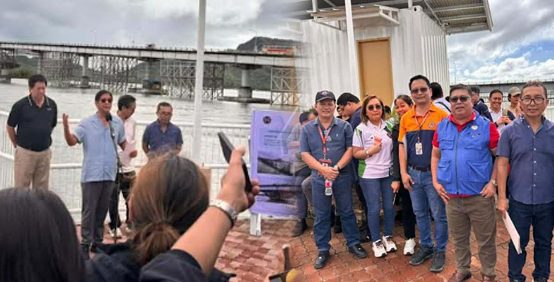 Public Transport Resumes on San Juanico Bridge After Inspection, 15-Ton Limit Imposed
  A Bridge Too Weak: The Economic Chokehold on Leyte and Samar
 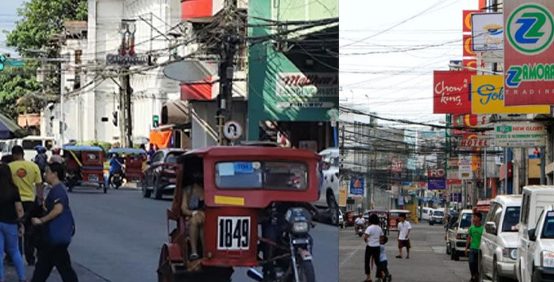 Survival Mode: Leyte–Samar Businesses Struggle Under Prolonged Bridge Restrictions