
 Rolly Magallanes
Posted on November 22, 2026 at 05:14 PM
Tacloban City — Community gardens, water facilities, and livelihood activities are among the measures being undertaken by the Department of Social Welfare and Development to help vulnerable households in Eastern Visayas prepare for the possible effects of El Niño.
The agency said it is combining food assistance and temporary employment with community-based projects aimed at improving access to food and water, particularly in areas that could face prolonged dry spells and reduced agricultural production.
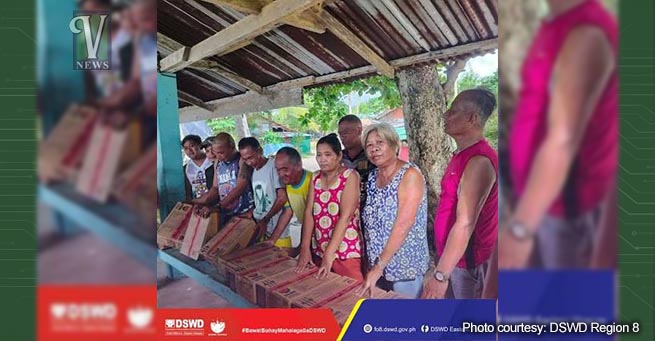
In Llorente, Eastern Samar, DSWD distributed 1,494 family food boxes to beneficiaries of its Food for Work program who took part in communal gardening activities.
Eastern Visayas DSWD Regional Director Grace Subong said the initiative aims to help families meet their food needs while encouraging communities to grow their own food.
Through communal gardens, residents can produce food for their households and reduce their dependence on outside sources, especially during periods when drought could affect crops and livelihoods.
In Almeria, Biliran, 75 beneficiaries also took part in community development activities on November 6 under the convergence of DSWD’s Project Local Adaptation to Water Access (LAWA) and Breaking Insufficiency through Nutritious Harvest for the Impoverished (BINHI), in partnership with the Department of Labor and Employment’s (DOLE) Tulong Panghanapbuhay sa Ating Disadvantaged/Displaced Workers (TUPAD) program.
Under the Cash for Work initiative, participants worked on communal gardens, installed water facilities, and practiced vermicomposting, a process that uses earthworms to turn biodegradable waste into organic fertilizer.
The projects aim to address three basic community needs: access to water, food production, and better agricultural practices.
Communal gardens are expected to provide residents with an additional source of nutritious food, while the water facilities are intended to improve access to an essential resource as dry conditions threaten water supplies.
Vermicomposting, meanwhile, helps turn biodegradable waste into fertilizer that can improve soil quality and support crop production.
Aside from these community projects, the program provides temporary income to beneficiaries in exchange for their participation in activities that are expected to benefit their communities even after the program ends.
Subong said the interventions are particularly important as strong to very strong El Niño conditions could continue into the first half of 2027, potentially affecting water availability, agricultural production, and household food supplies.
The initiatives seek to address immediate needs while helping communities develop their own food and water resources.
However, their long-term impact will depend on whether the gardens remain productive, the water facilities are properly maintained, and residents can continue these activities beyond the period of government assistance.
Photo courtesy: DSWD Region 8


 Grassroots, women’s groups in Samar gear up for local governance roles
 DPWH pushes ahead with P4.4B Tacloban-Palo ‘Grand Canal’ project
 DA sets aside P128.1M to boost corn, cassava production in Eastern Visayas
 DOH urges communities to fight dengue as cases surge in Eastern Visayas
 Coast Guard probes environmental impact of mineral oil leak off Leyte
 Northern Samar braces for five-month drought as El Niño persists