 Unmasking the Black Box
 Unmasking the Black Box
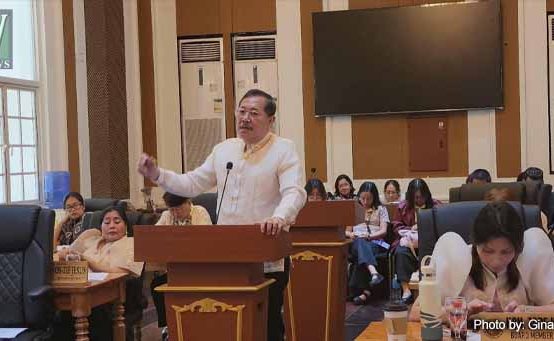
• Samar board member Beethoven Bermejo Sr. criticizes power distributors for failing to explain high electricity bills, saying they alone have the database to justify costs.

• Samar board member Beethoven Bermejo Sr. criticizes power distributors for failing to explain high electricity bills, saying they alone have the database to justify costs.
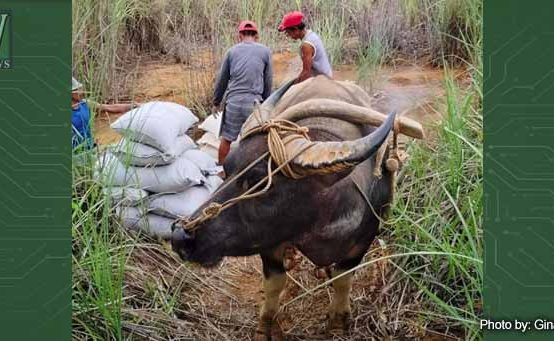
• Farmers in Mabuhay struggle to grow crops on land poisoned by decades of mining. Flooding and toxic soil leave hollow grains, yet they refuse to abandon home.
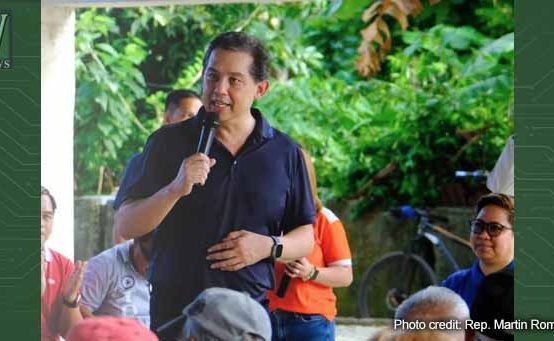
• Former House Speaker Martin Romualdez said he is prepared to face the Ombudsman investigation into alleged flood control irregularities and will respond once formally served the complaint.
• After seven decades, remediation finally begins at Samar’s ravaged Bagacay Mines, but questions remain if the Taft River Basin’s devastated landscape can still be salvaged.
• Calbayog City was reduced to a mere “witness” in a green energy deal hosting most infrastructure, sparking concerns over local autonomy and the true development costs.
• Matuguinao, Samar is opening its first college extension this August to boost its economy and secure peace, marking its shift from a conflict-affected area to a growth center.
• DAR continues transforming Filipino farmers from marginalized “slaves of the soil” into self-reliant landowners amid rapid agricultural changes.
• Conflict stems from lack of inclusive development. To help rebels return home, local governments must build roads and connectivity, turning fragile hope into lasting peace.
• Balikbayan boxes symbolize OFWs’ love and sacrifice, but over 54,000 abandoned, rotting boxes at piers reveal exploitation and a heartbreaking reality.
• A retired policeman traded his badge for a plow, becoming a farmer in Samar. His story critiques Philippine agriculture while offering a model for sincere, effective government intervention.

 Farming in the Gray: The Ghost Crops of Barangay Mabuhay
  Romualdez Ready to Face Ombudsman Probe, Vows to Answer Flood Control Allegations
  The 70-Year Tax on Samar’s Soil: Why We Cannot Let Bagacay’s Toxic Legacy Defeat Science
 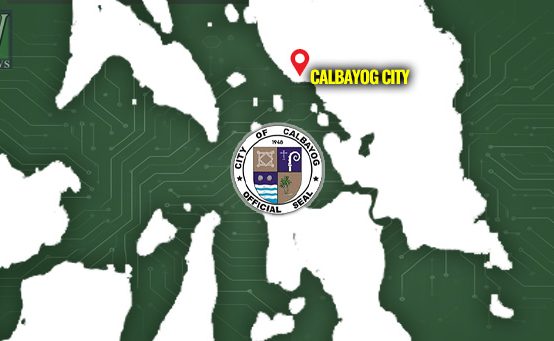 The Price of a Spectator Seat: Calbayog’s Sovereignty in the Shadow of Wind Turbines
 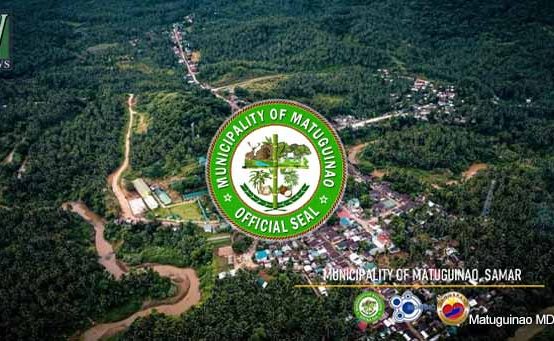 From Conflict to Campus: Matuguinao to Open First College Extension This August
 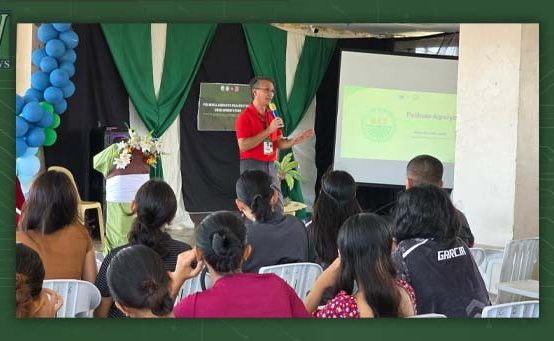 DAR 2026: From Landless to Landowner—A Legacy of Social Justice
 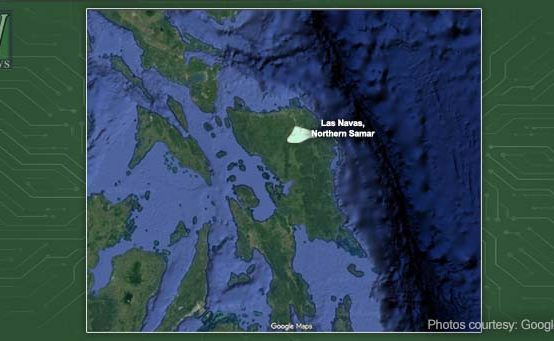 The Road to Peace: Paving Over the Roots of Conflict in Las Navas
 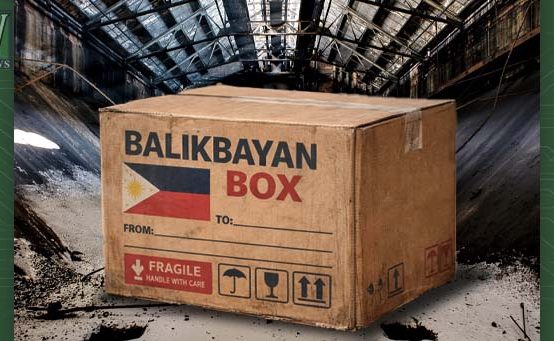 The Balikbayan Box Betrayal: When ‘Modern-Day Heroes’ Become Low-Hanging Fruit
  The Thin Green Line: Lessons from a Cop in the Paddies