
 Marky Bañez
 Posted on Feb. 12, 2026 at 7:16 am
Tacloban City — Survivors of Super Typhoon Yolanda are challenging a long-standing Department of Public Works and Highways (DPWH) policy, arguing that current road regulations are “neglecting the crucial need for climate resilience in disaster-prone areas.”
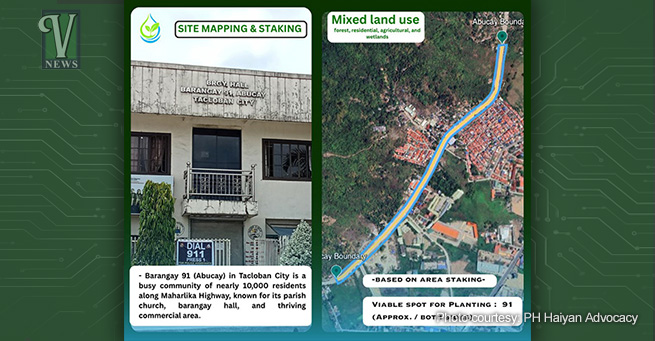
In a formal letter to DPWH Secretary Vince Dizon on February 4, 2026, Petronilo Pete L. Ilagan, chairman and CEO of PH Haiyan Advocacy, Inc. expressed deep frustration over the strict enforcement of Department Order (D.O.) no. 73, issued in 2014. This order prohibits tree planting within road right-of-way areas, resulting in the suspension of the “Adopt-a-Tree Project” along the Tacloban Bypass Road, a collaborative effort between local stakeholders and environmental agencies.
Ilagan criticized recent communications from DPWH Region 8, which focused solely on the legal process required to revoke a department order rather than considering the environmental consequences of the policy.
“This approach misses the mark,” Ilagan remarked. “It ignores the technical, environmental, social, and inter-agency coordination concerns that we have raised through proper channels, and with a history of cooperation.”
The advocacy group argues that D.O. No. 73 reflects an outdated mindset, and was issued at a time when national priorities were shifting towards “climate resilience, disaster risk reduction, and environmental protection.”
For Ilagan and his organization, the call for reform is based on the experiences and lessons learned from the 2013 disaster.
“As survivors of Super Typhoon Yolanda, our advocacy is informed by firsthand experience and a deep, strong commitment to aligning government policies for the greater good,” Ilagan emphasized.
The group is urging a comprehensive review of the order to assess if road safety can be harmonized with environmental objectives. They are also requesting a detailed update on land acquisitions for the bypass road, which they claim has not been addressed despite its relevance to right-of-way enforcement.
In a powerful closing appeal, Ilagan emphasized that public works must adapt to changing times.
“Infrastructure should not only facilitate traffic flow but also safeguard lives, enhance resilience, and support national priorities,” he stressed.
The advocacy group is now seeking prompt and substantive attention from both the DPWH and the Office of the President to ensure that infrastructure serves as a protective barrier for the community rather than a barrier to its survival.
(Photo courtesy: PH Haiyan Advocacy)


 EVMC spends P1.08B for Zero Balance Billing
  Leyte Farmers Bring a Forest Back
  Northern Samar Approves Right To Care Ordinance: Residents Can Choose Healthcare Representatives
  Leyte Communities Trained to Turn Abaca Into School Bags
  Napolcom Urges Stronger School-Community Ties After San Jose Shooting
  NBI Raids Illegal Gambling Operations Using Allegedly Cloned PCSO POS Machines