 The Vanguard
 Posted on Mar. 7, 2026 at 12:23 pm
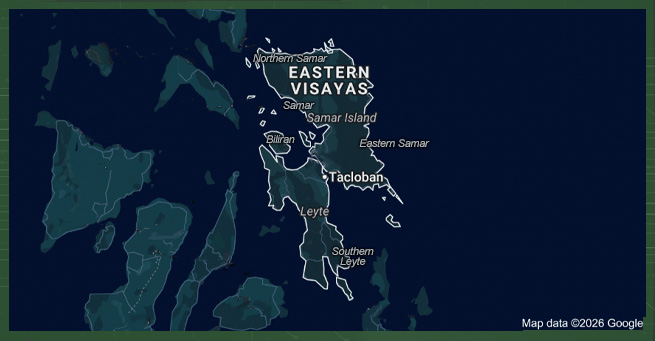
The recent announcement that Eastern Visayas will update its Sustainable Development Goals (SDG) catch-up plan signals we are falling behind in meeting the 2030 targets for key development indicators such as poverty reduction, food security, quality education, and access to healthcare and clean water, requiring accelerated interventions and realigned strategies to get back on track.
And fixing SDG plan won’t just require government action. It will require all of us.
The Philippine Statistics Authority actually reported five of the 17 SDGs are losing ground in Eastern Visayas:
- Gender Equality (Goal 5). Women in our region still don’t have the same opportunities as men. Whether it’s leadership positions, access to education, or freedom from violence, the gap isn’t closing fast enough.
- Industry, Innovation, and Infrastructure (Goal 9). Jobs are not growing fast enough. Small businesses struggle. Internet is unreliable. While innovations have been pursued, their impact on economic growth remains limited.
- Reduced Inequalities (Goal 10). The gap between rich and poor, city and province, educated and underprivileged is widening, not narrowing.
- Sustainable Cities and Communities (Goal 11). Our towns face challenges in housing, transportation, public spaces, and basic services. Growth is happening, but is it making communities better for everyone?
- Climate Action (Goal 13). For a region that Yolanda nearly erased from the map, climate change effects should terrify us. Are we preparing fast enough for the next disaster?
The Regional Stakeholders’ Chamber on the SDG, created in 2024, bringing together government, civil society, non-governmental organizations, and the private sector, acknowledges that no single group can solve problems alone. Ordinary citizens, especially young people can contribute.
The catch-up plan update will involve “enhancing stakeholder engagement.” Real engagement means listening to farmers in rural municipalities. Talking to small vendors in public markets. Sitting down with students who wonder if there will be jobs waiting after graduation. Asking women in vulnerable communities what safety and opportunity actually look like to them.
When we talk about accelerating SDG progress, what are we really asking for? We’re asking for a girl in a remote barangay to complete her education without being forced into early marriage. We’re asking for a young entrepreneur to register a business without navigating a maze of requirements and “fixers.” We’re asking for a fisherman’s family to access healthcare and decent housing, not just survive another typhoon season. We’re asking for communities to grow in ways that don’t leave the poorest behind.
These are not technical indicators. They are human aspirations. And they will not be achieved through government plans alone. The SDG catch-up plan update is necessary. A plan is only as good as its implementation. And implementation requires something governments can’t mandate: collective commitment.
Businesses must stop treating sustainability as a corporate social responsibility checkbox and start integrating it into how they operate. Civil society organizations must hold the government accountable while also mobilizing communities to participate. Citizens must demand progress, not just through complaints, but through engagement. Attend local hearings. Join community organizations. Vote for leaders who take development seriously. And young people must recognize that the future being planned is theirs. The 2030 targets aren’t distant deadlines; they’ll arrive when today’s students are building careers preparing for a productive future.
Eastern Visayas has survived catastrophes. We’ve rebuilt. We’ve shown resilience that the rest of the world admires. But survival isn’t the same as thriving. And thriving requires more than recovering from the last disaster; it requires building communities where disasters don’t undo decades of progress.
The SDG catch-up plan update is an opportunity to be honest about where we’re falling short and intentional about how we move forward. But it will only succeed if we treat it as our plan, not only theirs. The government can write the document. But we have to live the change. Magkaurusa kita, para kalamposan.

