
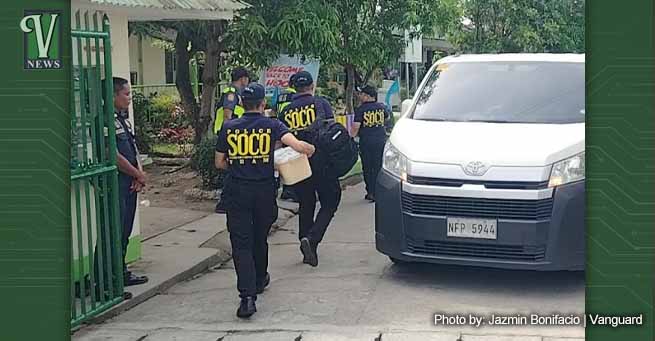
 Jazmin Bonifacio & Rolly Magallanes
 Posted on June 24, 2026 at 1:14 am


TACLOBAN CITY — Following the recent school shooting, the Department of Education (DepEd) is reviewing security measures and emergency protocols, including procedures for active violence incidents that many educators once believed were unlikely to happen in Philippine schools.
Education Secretary Sonny Angara said protocols for such situations already existed, but they were not given much attention because they were seen as irrelevant to the local setting.
“Yung namamaril is something we never thought was applicable,” Angara said.
The incident has forced education officials to look at school security differently.
The discussion is no longer limited to gates, fences, or security guards. Officials are now asking a more difficult question: What happens when violence breaks out inside a school, and are students and teachers prepared to respond?
According to Angara, understanding how people react during a crisis is an important part of improving school safety.
When faced with danger, people do not always respond the way they think they will. Some panic. Some freeze. Others run without knowing where to go. In a matter of seconds, those reactions can affect the outcome of an emergency.
Because of this, DepEd wants schools to go beyond having written protocols tucked away in manuals.
Officials are looking at ways to make security measures more consistent across schools and ensure that teachers, staff, and students know what to do when confronted with a serious threat.
The goal, Angara said, is simple: to minimize the loss of life.
The review comes as government agencies and local officials continue to assess the lessons learned from the shooting.
What has become clear is that responding to violence involves more than law enforcement.
Schools also have to deal with the emotional aftermath.
In the days following the incident, the Department of Health, the Department of Social Welfare and Development, local government units, the Philippine Red Cross, UP Tacloban, and faith-based organizations joined efforts to provide counseling and psychosocial support to those affected.
One moment during a coordination meeting illustrated that burden.
The emotional toll of the tragedy became evident during a meeting attended by officials from various government agencies.
As discussions turned to what had happened and how schools should move forward, the school principal stood to deliver her report. Before she could finish, she collapsed.
Those in the room said the weight of the experience had simply become too much.
The moment served as a powerful reminder that the impact of school violence does not end when the scene is cleared and investigations begin. For many of those directly affected, the trauma remains.
Students return to classrooms carrying fear. Teachers are left to comfort grieving learners while processing their own emotions. Parents struggle with questions about safety, and school officials face the burden of rebuilding a sense of normalcy.
As DepEd reviews its security protocols, Angara stressed that the goal is not to turn schools into heavily guarded compounds. Rather, he said, schools should be better prepared for emergencies that many once believed would never happen in the Philippines.
The recent shooting has forced education officials to confront that reality.
For years, active shooter incidents were viewed as a problem seen in other countries, not in local schools. That assumption is now being revisited.
The challenge for DepEd is finding ways to prepare students and teachers without creating fear while ensuring that schools know how to respond if a crisis unfolds.
No policy can guarantee that tragedies will never happen again. But officials believe that having clear protocols, proper training, and a better understanding of how people react during emergencies can make a crucial difference when lives are at stake.
Photo by: Jazmin Bonifacio


 IMNet helps Tacloban journalists prepare for risks in the field
  DPWH to Push Through with P4.77B Tacloban Causeway Project Despite Contract Terminations
  2 Suspected Drug Personalities Nabbed in Tacloban Buy-Bust
  Drug Suspect Arrested, 7 Shabu Sachets Seized in Catbalogan
  EVMC spends P1.08B for Zero Balance Billing
  Leyte Farmers Bring a Forest Back