

 Beejay Balagbis
Posted on October 22, 2026 at 10:45 AM

Three brand‑new 62‑foot tuna handline fishing vessels worth a combined P34.2 million were formally turned over by BFAR 8 to three fisher‑folk associations across Llorente, Borongan City and Sulat – a milestone under the national Tuna Development Program. On paper, the gesture is promising: 117 small‑scale fishers now have access to larger, seaworthy boats to venture into Pacific tuna grounds, with training and technical guidance from BFAR and the Provincial Fisheries Office ahead of their first test fishing trips. Program targets say each vessel could help add roughly 120 metric tons of tuna to the region’s annual fisheries output.
But behind the celebratory turnover ceremony hangs a loud, unsettling question: why does each single boat cost P11.4 million? To many observers and coastal residents of Eastern Samar, that price tag feels surprisingly high – enough to make one pause and scrutinize whether public funds were spent prudently for communities that have long struggled with simple, safer fishing craft. Local fishers know firsthand how difficult it already is to earn a steady living from the Pacific; they worry if such costly vessels represent real value for money, or if more affordable, well‑built alternatives could have helped far more associations instead of just three groups.
We should note that BFAR’s side may argue the price covers not just the hull, but specialized tuna‑fishing gear, safety systems, engine specifications, compliance with national maritime standards and preparatory orientation for beneficiaries. Yet that explanation still demands transparent proof. For generations, our coastal towns have built and maintained sturdy fishing boats at far lower costs. When public resources run into millions per unit, our communities deserve to see full breakdowns: what exactly makes each P11.4‑million vessel different? Were there open bids? Are there independent assessments confirming the build quality matches the declared expense? Without these shared publicly, doubt will linger among the very fisher‑folk these boats are meant to serve.
The goal itself is worthy: expand livelihoods, strengthen the local tuna industry, give organized associations better capacity to fish responsibly. These three groups – San Roque Farmers Association, Ando Island Fisherfolk Association, and Sea Man Darangat Association – have waited for better opportunities. Their orientation on proper boat management and upcoming supervised test runs are important steps toward sustainable use. However, good intentions do not excuse a lack of clear accountability.
Local leaders, BFAR 8 officials and the Provincial Fisheries Office must now do more than launch the vessels. They should release a public cost breakdown for each boat, invite independent fisheries and marine‑engineering experts to review the procurement, and monitor closely whether the expected 120‑ton‑per‑vessel production target is actually achieved. They also need to check whether the associations can sustain such high‑value boats long‑term – covering fuel, repairs and crew needs – so these investments do not end up idle at shore.
Eastern Samar’s fishers do need better vessels. But they also deserve assurance that every peso of public money goes toward genuine, lasting progress for our coastal communities – not just high‑priced hand‑overs on ceremonial days. If the cost cannot be clearly justified, then we must ask: are we building a stronger tuna industry – or overpaying for a handful of boats when many more fishing families remain in need?


 Salcedo LGU issues order regulating hog, pork prices
 Beyond the Legislative Hall | BM Pol Gonzales: Eastern Samar’s Champion for Youth in Motion
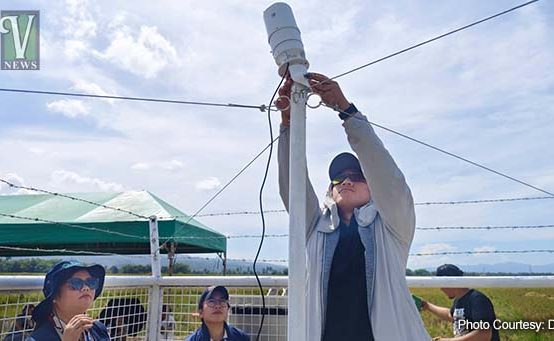 DOST Weather Stations to Help Farmers Beat Dry Spells
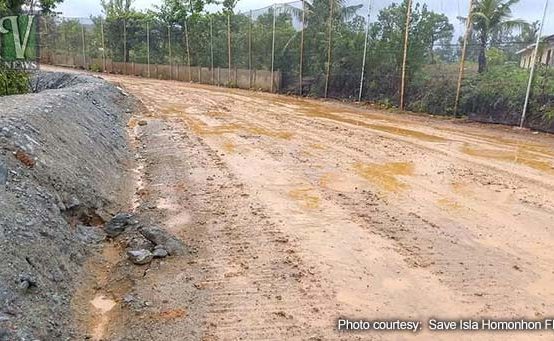 Homonhon Island’s Mining Promise has Left its People Begging for Water ; Local Leaders Must Act Now
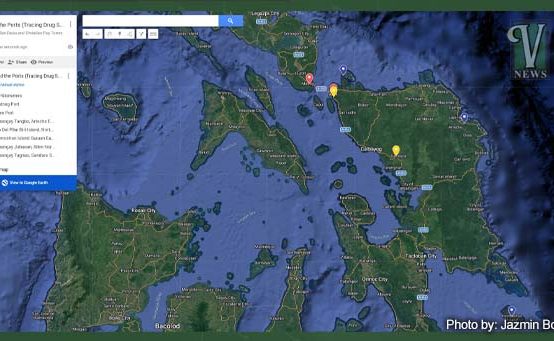 From Open Waters to Shore: Mapping the Maritime Routes Behind Drug Seizures in Eastern Visayas
 Philippine, Australian Troops Hold Joint Training in Samar as 8ID Eyes End to Insurgency by 2027