
 Atty. Dennis Gorecho
Posted on November 11, 2026 at 11:25 PM

Social media is abuzz with the recent events involving dogs and cats.
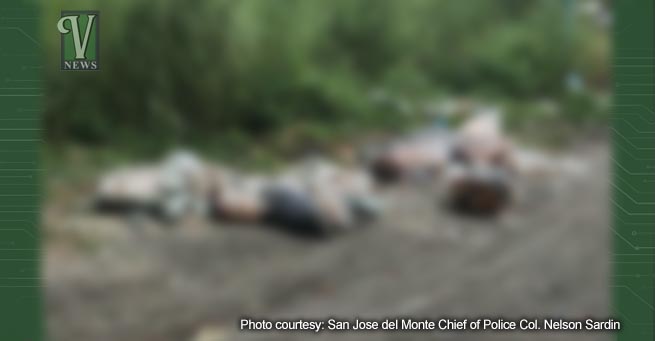
Pet owners encountered a horror story when remains of 29 dead animals (26 dogs and 3 cats) in plastic bags were discovered on October 30, 2026, dumped along a roadside in San Jose del Monte City, Bulacan.
Ahjay Paws Aftercare Pet Crematorium based in Bacoor, Cavite was blamed for the dumping after it was commissioned to cremate the animals.
More than 100 additional dead pets have later been found dumped at various locations across San Jose del Monte, Bulacan.
“They were not statistics. They had names, they were gentle souls. They were beloved best friends, and cherished family members. They knew the warmth of unconditional love in homes where they brought joy and were adored every single day of their lives’” according to the statement by the National Call for Animal Respect and Dignity led by my University of the Philippines (UP). Law classmate Atty. Annee del Rosario-Buen.
Atty. Buen added that “no family should ever have to bear the nightmare of learning that their baby’s final rest was stolen by deceit and greed” as the group condemned the “disgraceful and atrocious actions of the owners and conspirators of AhRay”
Cases are now filed against the operators for violating the city’s Code of Sanitation, the Ecological Solid Waste Management Act, and the Sanitation Code of the Philippines.
Afterlife pet care services are not regulated under the Animal Welfare Act of 1998 (R.A. No. 8485) as it only covers the treatment of living animals meaning direct animal welfare charges currently do not apply to the mistreatment or improper dumping of animal remains.
R.A. 8485 was passed on February 11, 1998 to protect and promote the welfare of all animals.
The law stated that it shall be unlawful for any person to torture any animal, to neglect to provide adequate care, sustenance or shelter, or maltreat any animal including cruel activities like dogfights and horsefights.
The killing of any animal other than cattle pigs, goats, sheep, poultry, rabbits, carabaos, horses, deer and crocodiles is likewise declared unlawful except in the following instances:
(1) as part of the religious rituals of an established religion or sect or a ritual required by tribal or ethnic custom of indigenous cultural communities;
(2) it is afflicted with an incurable communicable disease;
(3) necessary to put an end to the misery suffered by the animal;
(4) to prevent an imminent danger to the life or limb of a human being;
(5) animal population control;
(6) after it has been used in authorized research or experiments; and
(7) Any other analogous ground
R.A.8485 was amended by R.A. 10631 in 2012 that expanded the definition of animal welfare to cover both physical and psychological well-being.
R.A. 10631 defines maltreatment to include situations when any person being the owner or having charge or control of any animal shall without reasonable cause or excuse abandon it, whether permanently or not, without providing for the care of that animal.
It further stated that the person liable shall suffer the maximum penalty if the animal is left in circumstances likely to cause the animal any unnecessary suffering, or if this abandonment results in the death of the animal.
Abandonment means the relinquishment of all right, title, claim, or possession of the animal with the intention of not reclaiming it or resuming its ownership or possession.
Days later, the discovery of the dumping in Bulacan, news broke out that UP Los Baños (UPLB) has barred security guards from feeding or sheltering stray animals, particularly dogs, and from allowing them to roam or stay inside and around university buildings.
UPLB Vice Chancellor Atty. Eric Paul Peralta issued on November 4, 2026 the Memorandum No. 43, Series of 2026 instructing security guards to immediately implement preventive measures to keep stray dogs from entering or staying inside university buildings due to “safety concerns.”
These measures include securing building entrances, requesting the removal of food waste that could attract animals, and promptly coordinating with security officials for appropriate animal-control interventions.
The directive drew strong criticism from members of the UPLB community, with several questioning the university’s approach to managing stray animals and calling for more compassionate solutions. The directive was later revoked.
Atty. Buen spearhead WAGI (Welfare for Animals in Government Institutions) which promotes humane treatment, rescuing, nursing, and sheltering stray and community animals within and around government spaces.
“We aim to transform public perception so that society becomes more tolerant and compassionate toward strays, ending systemic cruelty and neglect while granting animals the respect, dignity, and protection they deserve,” Buen said.
(Peyups is the moniker of the University of the Philippines. Atty. Dennis R. Gorecho heads the Seafarers’ Division of the Sapalo Velez Bundang Bulilan Law Offices. For comments, e-mail info@sapalovelez.com, or call 0908-8665786.)

