
 Jazmin Bonifacio
 Posted on Feb. 7, 2026 at 6:12 am

Tacloban City, Leyte — Reports of large foreign vessels anchored off the coast of MacArthur town, Leyte, allegedly linked to seabed extraction, have intensified concerns among local farmers and environmental advocates, prompting scrutiny within the Regional Development Council (RDC) of Eastern Visayas.
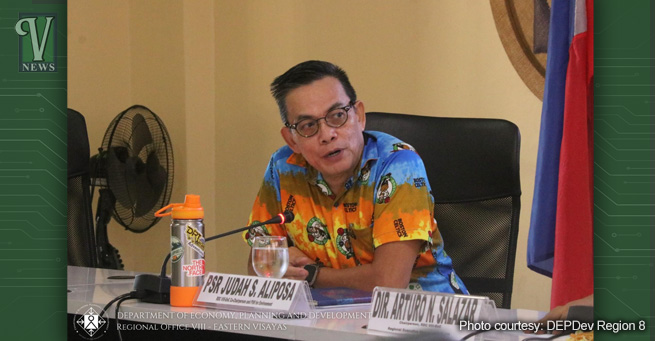
Judah Aliposa, the Co-Chair of the newly formed RDC Environment Committee and a private sector representative for the environment, is preparing for a meeting on March 17.
Aliposa said in an exclusive interview with Vanguard that the Mines and Geosciences Bureau (MGB) is scheduled to present data on ongoing mining activities in the region, including black sand mining and seabed extraction, operations allowed under the Mining Act of 1995 and promoted as drivers of employment and economic growth.
“I would like to know for a fact if there is such an approval, ” he said, referring to reports that black sand mining had taken place not only along shorelines but also within rice fields. He also raised concerns about possible manipulation of regional agency budgets, saying the committee must “review if the purpose of these agency budgets is being met,” particularly when large-scale extraction appears to provide limited benefits to affected communities.
He emphasized the need for direct input from residents impacted by mining and resource extraction. Aliposa said the 17 private sector representatives in the RDC serve as a conduit between the government and the public and encouraged affected individuals and groups to formally communicate their concerns. “I’m really encouraging the affected communities… to communicate with us,” he said, urging them to submit letters or messages to him or the RDC secretariat so the council can officially take cognizance of the issues. He added that if the Senate could investigate such matters, so too could the Environment Committee.
Beyond mining, Aliposa also raised concerns over water resource management in Leyte and Tacloban. He said water, as a natural resource owned by the state, is being managed in ways that have resulted in growing public complaints. He questioned joint venture agreements with private firms, including Prime Water, asking whether these arrangements genuinely benefit local communities or amount to “handing over” public resources without sufficient stakeholder consultation.
“Access to water is part of our basic human rights,” Aliposa said, adding that the committee would continue to examine water utilities and the protection of water sources, including those in Santa Fe.
Aliposa also expressed concern over the long-term development timeline being discussed by the RDC, which looks toward a regional vision extending to 2045 or 2050. With the current regional development plan set to end in 2028, he warned that the remaining time may be insufficient to safeguard Eastern Visayas’ natural resources.
He said the MGB and other concerned agencies must be held accountable for the commitments outlined in existing laws. Aliposa stressed that the region’s natural wealth should primarily benefit local communities and local government units where extraction occurs, rather than being exported while leaving behind environmental damage.
(Photo Courtesy: DEPdev Region 8)


 EVMC spends P1.08B for Zero Balance Billing
  Leyte Farmers Bring a Forest Back
  Northern Samar Approves Right To Care Ordinance: Residents Can Choose Healthcare Representatives
  LANDBANK Launches Cash-Lite Campus Program at LNU
  Leyte Communities Trained to Turn Abaca Into School Bags
  Napolcom Urges Stronger School-Community Ties After San Jose Shooting