
 The Vanguard
 Posted on May. 4, 2026 at 12:13 am
Growth stalled in the region, the Eastern Visayas 2025 economic report indicates. The industry sector, which grew by 5.7 percent in 2024, collapsed to -3.8 percent in 2025. Construction slowed down. Agriculture shrank because of Typhoons Ramil and Tino. And the Philippine Associated Smelting and Refining (PASAR) Corp., the region’s only copper smelter and refinery, shut down temporarily. That cost jobs and slowed the economy.
The report may show setbacks, but economic planners in the region are not panicking. They are looking beyond the bad news. They see something else: a turning point.
The PASAR shutdown was painful. The slowdown in construction is temporary. It happened because of investigations, not because people stopped building. And the damage to agriculture came from typhoons, not because the farms themselves are failing.
So why are officials optimistic? Because they are not just hoping for recovery. They already have concrete, approved projects to work with.
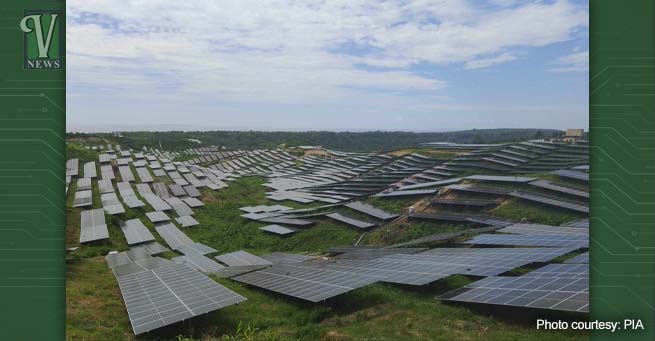
Three renewable energy projects worth P33.39 billion have been approved by the Board of Investments. The Energy Development Corporation plans to spend another P30 billion to fix up the Leyte Geothermal Production Field. That’s over P63 billion in investments.
This is not just recovery. This is reinvention.
For a long time, Eastern Visayas depended on just a few things: PASAR, farming, and building projects. When one of them failed, the whole region felt the pain. But renewable energy is different. It’s more stable. It’s good for the environment. It can create new jobs and attract more investors. It can turn the region into a leader in green energy.
The Tacloban Airport and Babatngon Port are also being upgraded. Better airports and ports mean better trade and logistics. Together with the energy projects, these improvements show that Eastern Visayas is not waiting for the old economy to come back. It is building a new one.
Yes, challenges remain. Displaced PASAR workers need new jobs. Farmers need help replanting and better insurance. But here’s the key insight: Eastern Visayas has done something more valuable than avoiding failure. It has looked at its weaknesses and made smart bets on its future.
Recovery will not happen overnight. The renewable energy projects will take years to complete. The airport and port upgrades won’t erase last year’s losses immediately. But for the first time in years, the region’s economy no longer depends on just one copper smelter or just one harvest season.
A more diversified, more resilient Eastern Visayas is coming. The sun is rising on a region that refuses to give up.


 Powering a Greener Eastern Visayas
 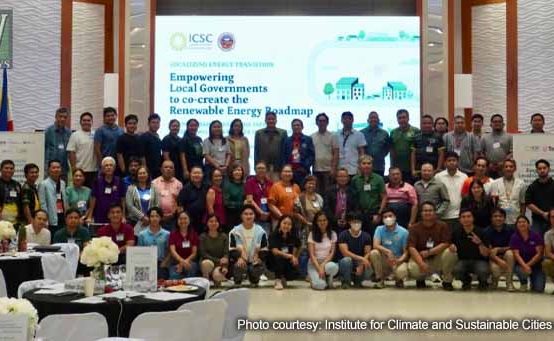 Northern Samar Moves Closer to a Cleaner Energy Future with Renewable Energy Roadmap