
 The Vanguard
 Posted on May 21, 2026 at 3:51 pm
Eastern Visayas recorded an 8.5 percent inflation rate in April, the highest since March 2009, and even surpassing the post-Yolanda spike of 8.3 percent in February 2014. Behind this statistic is a painful and alarming reality: farmers are bleeding, threatening food security.
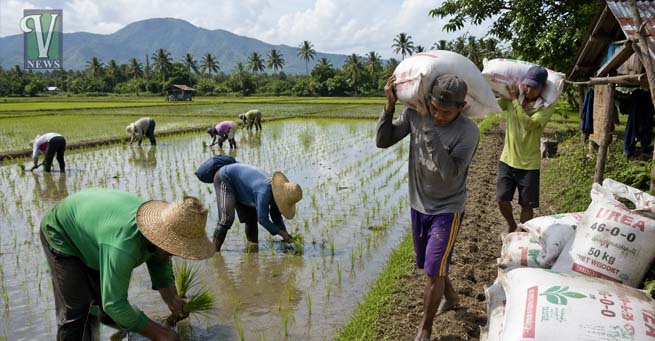
Department of Economy, Planning and Development (DEPDev) Region 8 Director Meylene Rosales says our farmers are suffering. The cost of fertilizers and pesticides, the lifeblood of agriculture, has skyrocketed. A 50-kilogram bag of urea now costs between P2,600 and P3,000, up from just P1,600. Fertilizers have climbed to around P2,100 per bag. These numbers on a price list are barriers that prevent farmers from planting, harvesting, and feeding the region.
And why the surge? Global oil costs rise on Middle East tensions, and geopolitical forces raise fuel prices at the pump, inflate the cost of farming inputs. Fertilizers are petroleum-based. Transport is fuel-dependent. Every link in the agricultural chain is now weighed down by expensive oil.
The result is a perfect storm. Inflation in Eastern Visayas is now well above the 2 to 4 percent target set under the Regional Development Plan. That means the purchasing power of ordinary families, especially the poor, is being crushed. When prices move too fast, wages cannot keep up. Meals become smaller. Choices become fewer. And the most vulnerable pay the price.
The government must step in. Subsidies for farmers are not charity. They are a strategic intervention to protect food security. Food security is not just about having enough rice on the shelves. It is about stability, affordability, and nutrition. If farmers cannot afford to farm, the entire region goes hungry.
We have seen this before. After Yolanda, Eastern Visayas reeled from both physical destruction and economic collapse. But this time, the enemy is not a typhoon. It is a slow-burning crisis fueled by global events beyond our control. That does not mean we are helpless. It means we must act locally with urgency and purpose.
Direct subsidies to farmers should be expedited. Price interventions on fertilizers must be considered. Local governments should work with the national government to distribute inputs at affordable rates or even for free during this critical period. Every day of delay is a day that a farmer chooses not to plant because the cost is too high.
High inflation is not a failure of the farmer. It is a failure of the system to protect the farmer. The government has the resources and the mechanisms. What is lacking is the sense of urgency.
Eastern Visayas cannot afford to wait for another super typhoon or a full-blown food crisis before it acts. The seeds of hunger are already being sown, not in the fields, but in the unaffordable price of a bag of fertilizer.
Government intervention must come now, not when the planting season has already passed. When the farmers are able to get hold of fertilizers at affordable prices, they can plant without hesitation, harvest without debt, and feed their families and the rest of the region with dignity.

