
 Gina Dean
 Posted on August 2, 2026 at 4:11 am

Deep in the shadows of a defunct mining landscape, a forgotten farmers’ association fights a quiet, daily war of attrition against a poisoned earth they refuse to abandon.
The old-timers in the village still measure the passage of time by the cavan—the heavy, coarse jute sacks of rice that once piled so high in the community barns they blocked the afternoon sun.
“My father used to tell me that the 1960s and 70s belonged to a completely different planet,” says Nicasio B. Hongaya, the president of the Barangay Mabuhay Farmers Association, looking out over a horizon that bears little resemblance to the paradise of his youth. “Back then, the soil of Mabuhay didn’t ask for much. You just tended to the earth, and it gave back. Eighty cavans per hectare, crisp, golden, and plentiful. The rivers ran clear, and the weather felt like an old friend you could trust.”
Today, that old friend has become a monster.
For more than thirty years, this land was ruthlessly exploited, stripped, and violated by large-scale mining operations. Though legal interventions finally forced the site’s closure in 1992, the eviction of the mining companies did not heal the earth. Decades later, the human cost of that environmental crime is still being paid in blood, sweat, and hollow grain by those who know no other way to live.
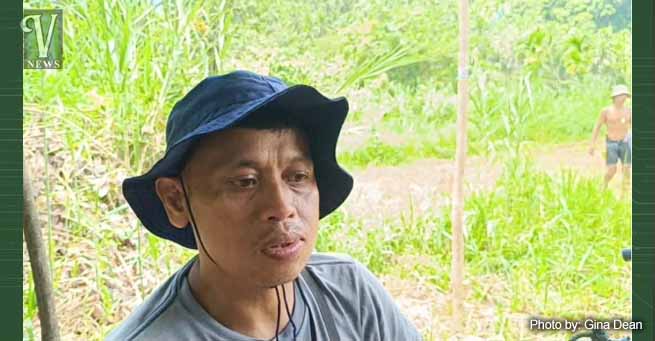
Sitting by the quiet fields, Nicasio B. Hongaya drifts back to the days when this farm was brimming with energy—when the soil was lush, the days were long, and every harvest was a celebration of hard work.
The Creeping Sickness
The devastation of Mabuhay did not happen overnight. It arrived like a slow, creeping sickness, stealing across the landscape one season at a time.
If you walk down toward the river systems today, the silence is jarring. Within two hundred meters of the water’s edge, the earth has turned entirely hostile. The lush green fringes that used to teem with life are gone. Even the coconut trees—stubborn, deep-rooted giants that usually survive almost anything—stand like gray, lifeless toothpicks against the sky. Their fronds have dropped, poisoned from the roots up by a water table saturated with heavy metals and altered soil chemistry.
Because agriculture is treated here not as a precise science but as a blind, raw battle for survival, these farmers are essentially farming in the dark. Denied basic agricultural data, soil testing, or government remediation knowledge to understand what is truly happening to their land, they are left to guess, adapt, and pray.
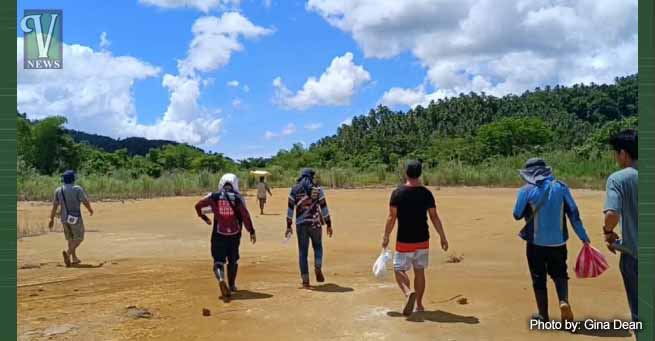
Local farmers, alongside Northwest Samar State University (NwSSU) faculty-researchers and agricultural experts—walking together across a wide, sunlit expanse toward the agricultural lands of Brgy. Mahayag.
The Architecture of Vigilance
“We live in a constant state of hyper-vigilance,” the association president explains. “You keep one eye on the sky, and the other on the riverbank.”
Flooding, once a minor seasonal inconvenience, has evolved into a catastrophic threat. When heavy rains strike the mined-out, deforested hills, there are no tree roots left to hold the water back. The runoff rushes down the slopes in violent torrents, swelling the rivers until they swallow the lowlands entirely, sometimes climbing to a terrifying ten meters high.
In response, the community has adapted with a grim, defensive architecture. They build their homes higher, store their most precious belongings in the rafters, and keep wooden boats tied directly to their front doorsteps.
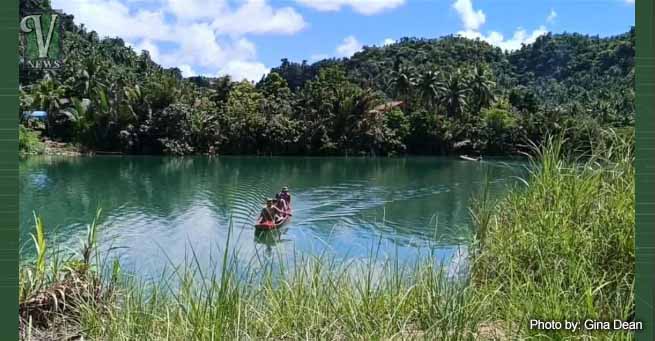
This serene river ridge highlights not only the natural beauty of the countryside but also the daily dedication and resilience required to connect with and support our local agricultural communities.
The Heartbreak of the Harvest
But for the members of the Farmers Association, the hardest part isn’t the physical threat of the water—it is the quiet heartbreak of the harvest. Driven away from the toxic, dead soil of the riverbanks, the farmers have retreated to higher, elevated lands. There, they toil under a punishing sun, building makeshift raised plots in a desperate bid to coax food from a damaged earth.
The magic, however, is gone.
The crops that manage to survive the altered soil come up stunted, withered, and poor. When the husks are threshed, the grains inside are often hollow—a bitter, ghostly shadow of the eighty-cavan yields of the past. It is a grueling cycle of maximum effort for minimum reward, a reality where agriculture feels less like nurturing life and more like defying gravity.
Without soil rehabilitation specialists or government scientists to map the underground plume of the old mine tailings, the association operates in a data vacuum. They are forced to treat the symptoms of a sick environment without ever being given the cure.
“We are fighting an enemy we cannot see,” the association president adds, listening to the voices of his neighbors echoing across the fields. “We know the soil is sick, but no one can tell us how to cure it. So we just keep digging.”
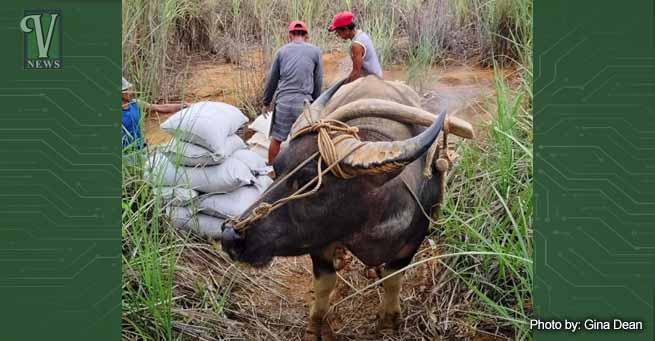
Local farmers are utilizing a carabao to haul heavy supplies through tall, grassy agricultural terrain.
Why They Stay
Why stay in a landscape that actively repels life? To an outsider, the logical choice would be to flee. But to the people of Barangay Mabuhay, the bond to the land runs deeper than the toxicity of the soil.
They stay because they are the keepers of the land’s memory. They plant where they can, watch the waters rise and fall, and hold tightly to the belief that if they stand their ground, the earth will eventually find its balance again.
Until then, they continue their quiet defiance—farming in the gray, waiting for the light to return to Mabuhay.
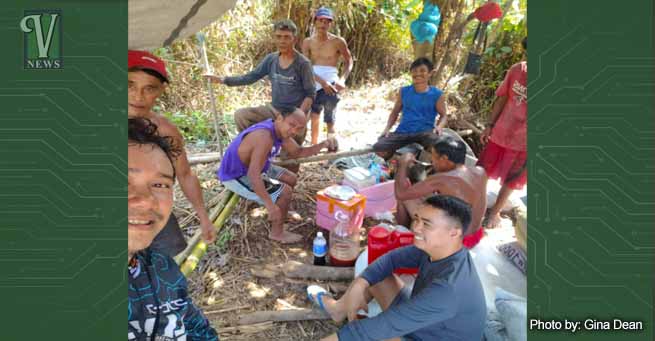
A candid, heartwarming moment of camaraderie among a group of local farmers and members taking a break for a meal under a makeshift shaded shelter in a rural, wooded area.

