
 Jazmin Bonifacio
 Posted on October 11, 2026 at 6:53 am

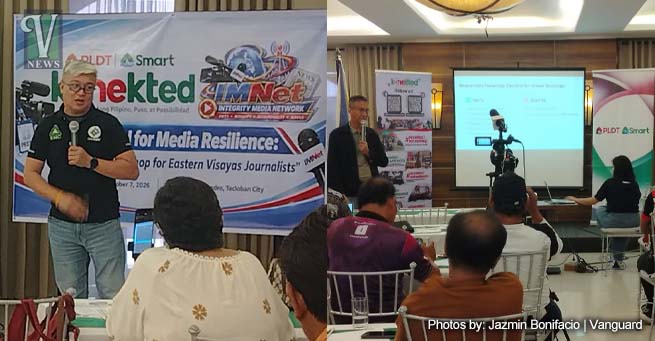
Tacloban City — Journalists must know how to protect themselves while covering stories, especially in communities where they may face unexpected risks, Integrity Media Network (IMNet) Chairman Dalmacio C. Grafil said during a media safety workshop in Tacloban City on October 7.
The `Konekted for Media Resilience’ workshop was held at Hotel Alejandro, bringing together journalists from broadcast, print, and online media in the city.
Grafil said IMNet organized the training to help journalists prepare for risks they may encounter in the field, particularly when covering disasters and emergencies.
He said journalists must not only gather facts and keep the public informed but also learn to assess risks, respond to difficult situations, and make decisions that protect their safety.
The training focused on practical knowledge that media practitioners could apply before and during field assignments. Grafil stressed the importance of ensuring that journalists can perform their duties without unnecessarily putting their lives at risk.
The activity was organized in partnership with PLDT Inc., Smart Communications Inc., and the Emergency Management Center (EMC).
One of the topics discussed was the importance of carrying an emergency kit containing basic supplies for unexpected situations.
Louie Domingo, head of the Emergency Management Center, explained that people do not need to carry a bulky emergency bag every day. A small kit kept inside a work bag or backpack can provide essential supplies in cases of minor injuries, power interruptions, and other emergencies.
Suggested items include adhesive bandages, sterile gauze, antiseptic wipes, a small flashlight, an emergency whistle, a rain poncho, a face mask, emergency contact information, and cash in small denominations. A power bank, charging cable, and essential personal medicines may also be included.
During the workshop, participants were given three minutes to assemble their own mini emergency kits using available items. The exercise challenged them to identify which supplies would be most useful in an emergency while working or traveling.
Domingo also demonstrated an emergency bucket stocked with supplies and kept inside a vehicle for use during unexpected incidents on the road.
The discussion was particularly relevant to journalists covering communities across Eastern Visayas, where typhoons, earthquakes, and power outages can disrupt daily activities and complicate field assignments.
Domingo explained that a mini emergency kit is intended for immediate needs and does not replace a fully equipped emergency go-bag. A go-bag should contain sufficient drinking water, food, medicines, and other supplies for emergencies that may last longer.
He also reminded participants to check their supplies regularly, make sure batteries are working, and replace expired items.
Through the workshop, IMNet sought to remind journalists that safety must be considered before heading out to cover a story.
Journalists have a responsibility to keep the public informed, but they must also take the necessary precautions to ensure they return home safely after every assignment.
Photos by: Jazmin Bonifacio | Vanguard


 DPWH to Push Through with P4.77B Tacloban Causeway Project Despite Contract Terminations
  2 Suspected Drug Personalities Nabbed in Tacloban Buy-Bust
  EVMC spends P1.08B for Zero Balance Billing
  Leyte Farmers Bring a Forest Back
  P6.9B Project to Help Eastern Visayas Communities Prepare for Disasters
  Northern Samar Approves Right To Care Ordinance: Residents Can Choose Healthcare Representatives