
 Marky Bañez
 Posted on October 14, 2026 at 7:51 am

Here is a mythical, epic origin story that weaves together the Legend of “Kankabatok” (the ancient name and foundational legend of Tacloban) and the art of “Pekiti-Tirsia Kali” (the legendary close-quarters Visayan blade-fighting system). This story synthesizes the historical folklore of Leyte with the lethal and fluid principles of the Blade Art.
Chapter I: “The Sanctuary of Kabatok”
Long before the stone churches rose and the Spanish ships pierced the horizons of the San Juanico Strait, there was only the wild, mangrove-fringed shore of the Eastern Visayas. The Land was known as “Kankabatok” literally meaning the realm of Kabatok.
Kabatok was not just a chieftain; he was a master of survival. In those ancient days, the seas were beautiful but merciless. Moro pirates swept down from the south, and brutal raiders from across the waters frequently struck the shores, seeking to take captives and plunder the coastal villages.
Kabatok’s people were primarily fishermen. To survive, they used a large, heavy bamboo-and-vine basket trap called a “taklub”, which they slammed down over giant crabs and thrashing fish in the shallow reefs. But Kabatok knew that a people who only knew how to trap fish would eventually be trapped themselves by their enemies.
Chapter II: “The Birth of Pekiti-Tirsia Kali”
Driven by the need to protect his family and his land, Kabatok retreated into the dense, jagged jungles of what is now Kanhuraw Hill. He watched the natural world for inspiration. He observed the geometry of the triangular weaving of the taklub baskets. He watched how the venomous pit vipers struck—never moving backward, but always stepping diagonally off the line of attack to deliver a lethal, close-range bite.
Kabatok took two heavy blades forged from iron and mangrove wood. He began to map out a system of combat based entirely on survival, fluid movement, and absolute proximity.
He called his method “Pekiti-Tirsia”.
“Pekiti”, because it meant “to close in tight”. So close that you could breathe your opponent’s breath and neutralize the reach of their long spears.
“Tirsia”, literally meaning “to cut into thirds” or quarters. A relentless rhythm of continuous counters where an attacker was systematically dismantled before they could even reset their stance.
Instead of fighting at a distance, Kabatok trained his warriors to step inside the danger zone using rapid, triangular footwork. The same geometry found in the weave of their fishing baskets.
Chapter III: “The Raid of the Mangrove Bay”
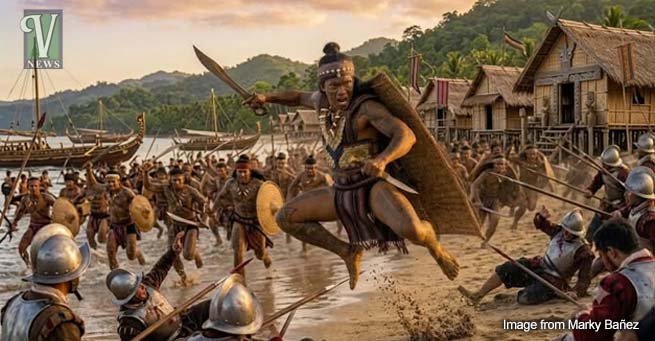
The true test of Kankabatok and the Pekiti-Tirsia Art came on a stormy evening when the skies turned the color of bruised iron. A massive fleet of raider proas rounded the strait, seeking to pillage the settlement.
The fishermen were outnumbered five to one. Panic surged through the village, but Kabatok stood on the shore, calm, his dual blades resting lightly in his hands.
“We do not retreat,” Kabatok told his warriors. “They bring the long spears and heavy shields of the open sea. But we know the swamp. We know the tight spaces. Move like the viper. Close the distance. “Pekiti!”
As the raiders breached the shoreline, shouting war cries, they expected a frantic scramble. Instead, they met the fluid, terrifying dance of Kankabatok’s guardians.
Using the triangular footwork they so carefully mastered, the defenders stepped cleanly outside the thrusts of the heavy spears. Once inside the guard, the blades of Pekiti-Tirsia went to work. They fought at close range, utilizing the “Espada y Daga” (sword and dagger) principles Kabatok had forged. They intercepted wrists, shattered knees, and quartered their opponents with flashing, rhythmic precision.
Kabatok himself moved like a Deadly Whirlwind, moving seamlessly from opponent to opponent, never lingering on one for more than a fraction of a second.
The raiders helplessly trapped in the unforgiving close-quarters combat in the mangroves, realized too late that they weren’t fighting ordinary warriors, but that they were trapped inside a living meat-grinder.
Chapter IV: “From Tarakluban to Tacloban”
The remnants of the raiding party fled back to their boats, bleeding and broken. As they pushed off into the surf, looking back at the blood-stained shores of Kankabatok, they saw the defenders holding up their heavy bamboo fishing traps alongside their dripping blades.
The story of the battle spread across the islands. Whenever neighboring tribes or traveling merchants asked where the fierce blade-masters lived, the fishermen would gesture toward the shores of Kankabatok and say they were going to “Tarakluban”, the place where they “cover and trap” their prey, whether it was the Giant Crabs and Fish of the Reef or the Enemies of their Land.
Over centuries, the name Kankabatok faded into the maps of history, and the word “Tarakluban” smoothed out into the name we know today: “Tacloban”.
Kabatok’s mortal body eventually returned to the earth, but the lethal elegant geometry of his fighting style survived. The Fighting Art kept secret for generations within family lineages through the Visayas, his art of Close-Quarters Combat evolved into the world-renowned warfighting doctrine practiced by Elite Special Forces today: “Pekiti-Tirsia Kali”.
And to this day, the spirit of Kankabatok lives on in every practitioner who steps off the line, closes the distance, and protects their home with the fluid grace of the blade.
Here is a mythical, epic origin story that weaves together the Legend of “Kankabatok” (the ancient name and foundational legend of Tacloban) and the art of “Pekiti-Tirsia Kali” (the legendary close-quarters Visayan blade-fighting system). This story synthesizes the historical folklore of Leyte with the lethal and fluid principles of the Blade Art.
“The Legend of Kankabatok and the First Blade”
Chapter I: “The Sanctuary of Kabatok”
Long before the stone churches rose and the Spanish ships pierced the horizons of the San Juanico Strait, there was only the wild, mangrove-fringed shore of the Eastern Visayas. The Land was known as “Kankabatok” literally meaning the realm of Kabatok.
Kabatok was not just a chieftain; he was a master of survival. In those ancient days, the seas were beautiful but merciless. Moro pirates swept down from the south, and brutal raiders from across the waters frequently struck the shores, seeking to take captives and plunder the coastal villages.
Kabatok’s people were primarily fishermen. To survive, they used a large, heavy bamboo-and-vine basket trap called a “taklub”, which they slammed down over giant crabs and thrashing fish in the shallow reefs. But Kabatok knew that a people who only knew how to trap fish would eventually be trapped themselves by their enemies.
Chapter II: “The Birth of Pekiti-Tirsia Kali”
Driven by the need to protect his family and his land, Kabatok retreated into the dense, jagged jungles of what is now Kanhuraw Hill. He watched the natural world for inspiration. He observed the geometry of the triangular weaving of the taklub baskets. He watched how the venomous pit vipers struck—never moving backward, but always stepping diagonally off the line of attack to deliver a lethal, close-range bite.
Kabatok took two heavy blades forged from iron and mangrove wood. He began to map out a system of combat based entirely on survival, fluid movement, and absolute proximity.
He called his method “Pekiti-Tirsia”.
“Pekiti”, because it meant “to close in tight”. So close that you could breathe your opponent’s breath and neutralize the reach of their long spears.
“Tirsia”, literally meaning “to cut into thirds” or quarters. A relentless rhythm of continuous counters where an attacker was systematically dismantled before they could even reset their stance.
Instead of fighting at a distance, Kabatok trained his warriors to step inside the danger zone using rapid, triangular footwork. The same geometry found in the weave of their fishing baskets.
Chapter III: “The Raid of the Mangrove Bay”
The true test of Kankabatok and the Pekiti-Tirsia Art came on a stormy evening when the skies turned the color of bruised iron. A massive fleet of raider proas rounded the strait, seeking to pillage the settlement.
The fishermen were outnumbered five to one. Panic surged through the village, but Kabatok stood on the shore, calm, his dual blades resting lightly in his hands.
“We do not retreat,” Kabatok told his warriors. “They bring the long spears and heavy shields of the open sea. But we know the swamp. We know the tight spaces. Move like the viper. Close the distance. “Pekiti!”
As the raiders breached the shoreline, shouting war cries, they expected a frantic scramble. Instead, they met the fluid, terrifying dance of Kankabatok’s guardians.
Using the triangular footwork they so carefully mastered, the defenders stepped cleanly outside the thrusts of the heavy spears. Once inside the guard, the blades of Pekiti-Tirsia went to work. They fought at close range, utilizing the “Espada y Daga” (sword and dagger) principles Kabatok had forged. They intercepted wrists, shattered knees, and quartered their opponents with flashing, rhythmic precision.
Kabatok himself moved like a Deadly Whirlwind, moving seamlessly from opponent to opponent, never lingering on one for more than a fraction of a second.
The raiders helplessly trapped in the unforgiving close-quarters combat in the mangroves, realized too late that they weren’t fighting ordinary warriors, but that they were trapped inside a living meat-grinder.
Chapter IV: “From Tarakluban to Tacloban”
The remnants of the raiding party fled back to their boats, bleeding and broken. As they pushed off into the surf, looking back at the blood-stained shores of Kankabatok, they saw the defenders holding up their heavy bamboo fishing traps alongside their dripping blades.
The story of the battle spread across the islands. Whenever neighboring tribes or traveling merchants asked where the fierce blade-masters lived, the fishermen would gesture toward the shores of Kankabatok and say they were going to “Tarakluban”, the place where they “cover and trap” their prey, whether it was the Giant Crabs and Fish of the Reef or the Enemies of their Land.
Over centuries, the name Kankabatok faded into the maps of history, and the word “Tarakluban” smoothed out into the name we know today: “Tacloban”.
Kabatok’s mortal body eventually returned to the earth, but the lethal elegant geometry of his fighting style survived. The Fighting Art kept secret for generations within family lineages through the Visayas, his art of Close-Quarters Combat evolved into the world-renowned warfighting doctrine practiced by Elite Special Forces today: “Pekiti-Tirsia Kali”.
And to this day, the spirit of Kankabatok lives on in every practitioner who steps off the line, closes the distance, and protects their home with the fluid grace of the blade.
Image from: Marky Bañez


 IMNet helps Tacloban journalists prepare for risks in the field
 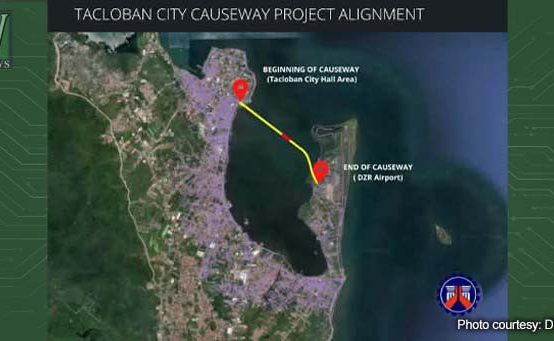 DPWH to Push Through with P4.77B Tacloban Causeway Project Despite Contract Terminations
  2 Suspected Drug Personalities Nabbed in Tacloban Buy-Bust
  EVMC spends P1.08B for Zero Balance Billing
  Leyte Farmers Bring a Forest Back
  P6.9B Project to Help Eastern Visayas Communities Prepare for Disasters