
 Beejay Balagbis
Posted on October 23, 2026 at 08:34 PM

From the shores of Homonhon Island, Eastern Samar
For years, supporters of mining on Homonhon Island have pointed to high‑paying jobs for some residents and mineral exports shipped to China as proof of national economic progress. Officials often cite these gains to justify large‑scale operations on the historic island, once celebrated as a lush, agricultural haven and an early site of Philippine historical contact. But walk through the barangays—especially Casuguran—and you hear a very different story from most ordinary people who call this place home. While a few benefit financially, many communities are bearing the heavy daily costs.
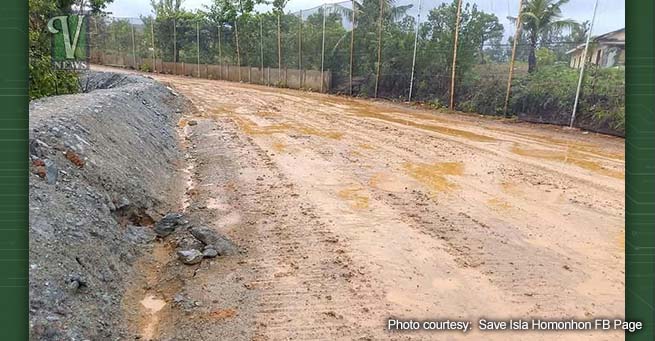
Residents describe a landscape transformed: once‑productive farmlands and green hillsides near mining zones are now prone to thick mudflows when it rains and choking dust when the sun shines. Their deepest, most desperate plea is for the protection of the remaining watershed—the source of their drinking water. Families say they are pleading repeatedly for authorities to stop mining from reaching their vital water source, yet feel no one is listening. They ask painfully: Is this justice? Is this real progress? Is this fair development? They note the island’s mineral wealth is being extracted, yet what they are losing is their green paradise—and secure access to clean water for everyday survival.
It is important to note there are differing perspectives: mining operators and some government representatives argue that responsible regulation, infrastructure projects, and employment opportunities can support local livelihoods alongside national trade. However, the voices from Casuguran and nearby communities raise urgent environmental‑justice concerns that cannot be ignored. Watersheds are not merely “land”; they are the lifeblood of an island. If the remaining watershed is compromised, the long‑term supply of safe drinking water for residents could be put at risk‑‑a loss no short‑term mining income can replace. Farm‑based livelihoods already damaged by mud and dust may never fully recover.
Local leaders—provincial officials, municipal councils, barangay authorities, and environmental regulators—are being called upon by residents to take meaningful, immediate action:
- Conduct an independent, community‑involved environmental assessment specifically focused on the remaining watershed supplying Barangay Casuguran;
- Consider a protective buffer‑zone policy that excludes mining activities from critical water‑source areas;
- Hold transparent public hearings where ordinary residents can speak without intimidation;
- Strengthen regular monitoring of dust, erosion, and water quality;
- Develop a long‑term contingency plan for sustainable water security beyond the lifespan of mining operations.
Economic contributions and jobs matter, but they should never come at the cost of a community’s basic right to safe water and a healthy environment. The people of Homonhon are not asking to shut down all activities outright; they are begging for one essential safeguard: save their watershed. Local leaders must hear this plea now—before it is too late for the island’s remaining life‑giving springs and for the families who have lived here for generations.


 LTFRB-8 Warns PUV Operators Against Overcharging Ahead of Undas
 Solar Irrigation Projects Strengthen Drought Preparedness in Eastern Visayas
 DOST Weather Stations to Help Farmers Beat Dry Spells
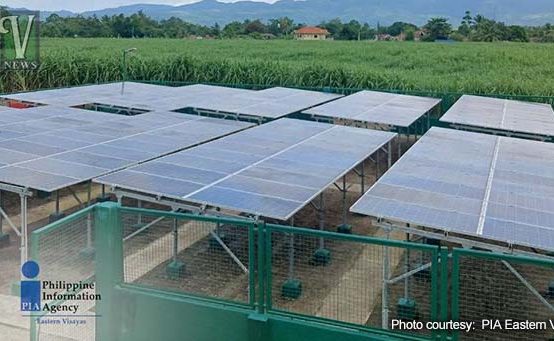 Solar Irrigation Helps Leyte Farmers Save on Fuel Costs Amid El Niño
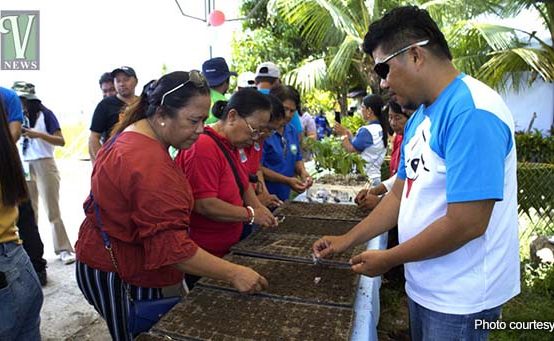 Leyte Farmers Turn Irrigation Canal Spaces Into Vegetable Gardens
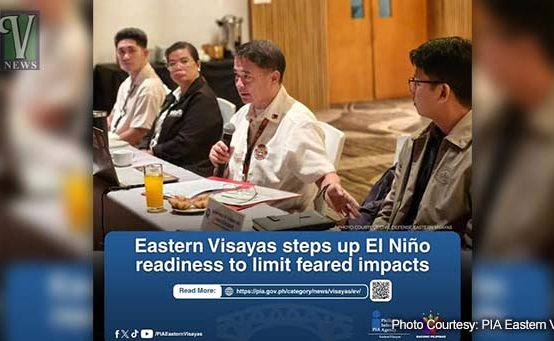 Eastern Visayas Steps Up Preparations for Possible El Niño