
 Beejay Balagbis
Posted on October 23, 2026 at 10:57 PM

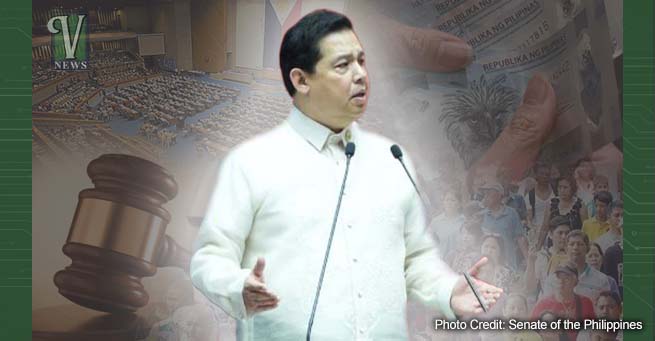
Carrying the Romualdez name brings wealth, visibility, and close public examination – but it does not equate to guilt in the P7.44‑billion plunder case. Criminal culpability must rest on verifiable proof, not on family background, existing fortune, or widespread public frustration.
Long‑standing family business holdings pre‑date Martin Romualdez’s entry to Congress in 2007. These inherited assets may be reviewed through official property records, acquisition papers, and required statements of assets and liabilities. Having established family wealth is a relevant context for investigators; it cannot, by itself, confirm that separate alleged unlawful transactions later took place. There is an essential distinction between patrimony built over years and new funds supposedly obtained through corrupt practices.
Terms like “nepo baby” express valid public concern over inherited political advantage. They serve social commentary but do not prove kickbacks, participation in criminal agreements, or personal receipt of illicit money. When public debate treats such labels as conclusive facts, legitimate criticism slides into one‑sided denunciation. Reviewing political privilege is necessary; establishing criminal liability demands separate, concrete evidence. Confusing the two weakens both political accountability and fair‑trial standards.
Key witness accounts have shown notable limitations. Former security staff and people identified as cash couriers stated they did not personally see Romualdez receive money, nor enter the locations where hand‑offs were supposed to end. Their recollections may describe travel or transfers, but further corroboration is needed to link those events directly to Romualdez. Defense arguments also note the absence so far of connecting bank records, surveillance footage, or signed documentation tying him to the alleged operations. While circumstantial evidence can sustain a finding of guilt, every inference must be anchored in proven facts – not merely on public office, kinship ties, or large personal assets. Remaining gaps must be addressed by the prosecution inside court proceedings.
Legal measures such as asset‑freezing requests carry specific procedural purposes; they are not final rulings that targeted properties stem from criminal activity. Similarly, a bail hearing assesses only whether existing indications of guilt appear strong; it is not a judgment on innocence or guilt. Public discussion often merges these distinct legal stages, creating a climate of premature assumption. High‑profile individuals are entitled to the same evidential thresholds as every citizen. Wealth and influence should not grant automatic protection from inquiry – yet neither should they become reasons to bypass rigorous proof requirements.
The broader stake reaches beyond a single case: whether public discourse can keep political suspicion separate from the constitutional requirement of proof beyond reasonable doubt. A well‑known family name helps allegations gain quick attention; it does not validate them. The defense must respond to properly-presented evidence; the prosecution bears the burden of building a documented case. Judges must base rulings strictly on the formal evidence submitted. If public sentiment replaces factual demonstration, prominent persons risk being condemned mainly because they are unpopular – not because wrongdoing was proven. That replaces judicial process with judgment by public standing.
Being born into a prominent, affluent family is not an offense. Committing plunder is. Courts must determine whether sufficient evidence proves the latter. Until then, public focus should center on what can be reliably established, rather than on identity, lineage, or reputation.


 Local Researchers Struggle to Access Government Data – UP Tacloban Professor
 ‘The Legend of Kankabatok and the First Blade’
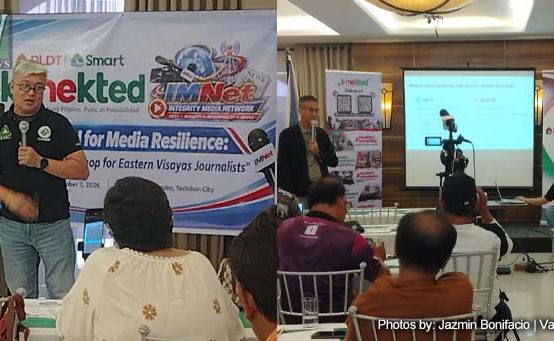 IMNet helps Tacloban journalists prepare for risks in the field
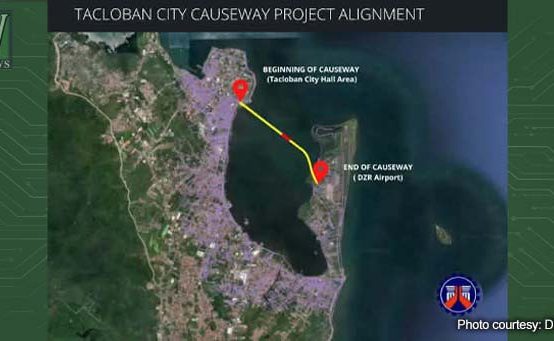 DPWH to Push Through with P4.77B Tacloban Causeway Project Despite Contract Terminations
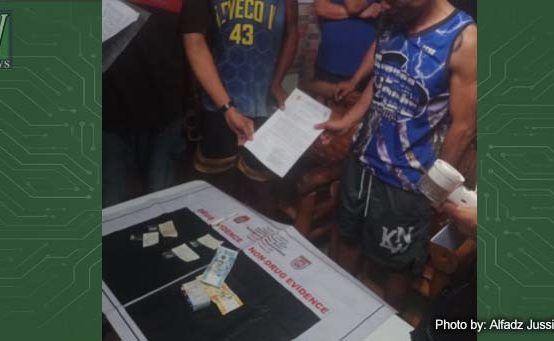 2 Suspected Drug Personalities Nabbed in Tacloban Buy-Bust
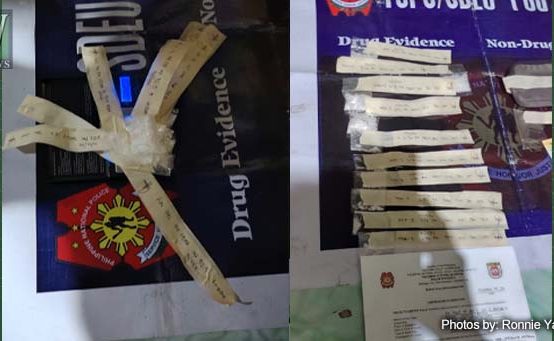 Police Seize P172K Worth of Suspected Shabu in Tacloban Buy-Bust