
 Fred Padernos
 TACLOBAN CITY — Twelve years after Super Typhoon Yolanda devastated Eastern Visayas, survivors in Tacloban continue to grapple with another storm — one of broken promises, substandard housing, and allegations of corruption.
In a recent rally in Tacloban in October, students and members of progressive organizations gathered in front of the University of the Philippines Tacloban campus to stage a lightning rally against what they called “systemic corruption” in government programs. Their chants echoed through downtown Tacloban: “Tama na ang korapsyon! Ibalik sa tao ang pondo!”
While protesters condemned corruption in education and agriculture, their loudest cries centered on the Yolanda Permanent Housing Project, or pabahay, a multibillion-peso program meant to shelter thousands of families displaced by the 2013 disaster.
Homes That Nobody Lives In
“Twelve years na, pero wala pa rin kaming matinong bahay,” lamented one of the demonstrators, a Yolanda survivor from Barangay 88. “Sabi nila permanent housing, pero parang pansamantala lang. Baka mas matibay pa ang mga tent na tirahan namin noon.”
Data from the Tacloban City government reveal that of the 14,433 housing units built for Yolanda survivors, more than half remain unoccupied. Many are plagued by structural defects — cracked walls, leaking roofs, and poor foundations — making them unsafe for habitation.
During a press conference on May 16, 2025, Mayor Alfred S. Romualdez did not mince words, calling the project “binaboy” — a disgrace.
“Kahit aso hindi matirahan,” the mayor said bluntly, expressing frustration that the promised homes had become symbols of neglect rather than recovery.
A Cycle of Neglect
Investigations over the years have pointed to multiple layers of mismanagement. Contractors allegedly cut corners, and oversight agencies reportedly failed to monitor construction standards. The National Housing Authority (NHA) and the Department of Human Settlements and Urban Development (DHSUD) have repeatedly promised repairs, but survivors say progress remains slow and uneven.
Electricity, water connections, and road access are also major problems. Many resettlement sites in northern Tacloban still rely on water rations, and the lack of nearby schools and job opportunities has forced some families to return to coastal danger zones.
Youth and Civil Society Take a Stand
For the students who led the rally, corruption is not an abstract issue — it is the reason behind their community’s prolonged suffering.
“We’re here because our elders have waited long enough,” said Paul Lachica, Bayan Eastern Visayas Chair and a UP Tacloban student leader. `Corruption is not just about money being stolen. It’s about lives being delayed, families being displaced, and hope being denied.”
Placards reading “Pabahay, hindi palusot!” and “Transparency, not tragedy!” lined the streets as the protesters called for full disclosure of housing project funds, a public audit, and accountability from both national and local officials.
A City Still Waiting
As Tacloban prepares to commemorate the 12th anniversary of Super Typhoon Yolanda on November 8, 2025, the pabahay issue remains a painful reminder of what recovery should have been.
The rally ended peacefully, but the message resonated: rebuilding homes is not enough — rebuilding trust is what the people of Tacloban demand.
“Ang gusto lang namin,” said one survivor quietly after the rally, “ay bahay na totoo — hindi pang-promise lang.”
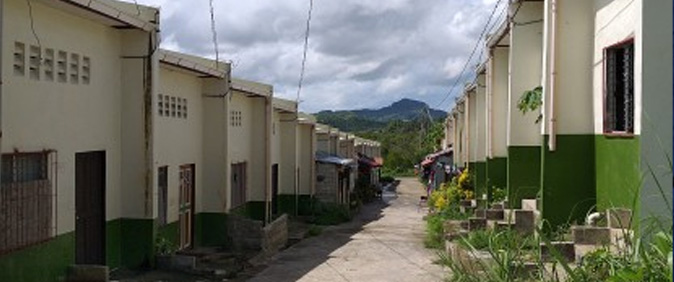
Photo: A relocation site in Tacloban City for families affected by super typhoon Yolanda. (PNA photo by Sarwell Meniano)


 Northern Samar Approves Right To Care Ordinance: Residents Can Choose Healthcare Representatives
  Leyte Communities Trained to Turn Abaca Into School Bags
  Napolcom Urges Stronger School-Community Ties After San Jose Shooting
  NBI Raids Illegal Gambling Operations Using Allegedly Cloned PCSO POS Machines
  PNP Reassigns Capoy; Cardiño to Head Eastern Visayas Police
  Eastern Visayas braces for barangay, SK polls as Senate weighs 5-year terms