
 Beejay Balagbis
The approval of a P1.3 trillion budget for education is undoubtedly a positive development, signaling a commitment to the future of Filipino students and teachers. However, the true impact of this massive investment hinges on its effective implementation and responsible management by the Department of Education (DepEd).
While the headline figure is impressive, nagging questions persist about how these funds will actually trickle down to the schools and, more importantly, to the students. For years, concerns have been raised regarding the use of Maintenance and Other Operating Expenses (MOOE), intended to cover essential school operations like repairs and maintenance.
If MOOE is designed to cover operational expenses such as minor repairs, why is it so common for teachers to solicit contributions from parents through the Parent-Teacher Association (PTA) for basic necessities like electric fans, paint, and light bulbs? This discrepancy raises doubts about whether MOOE funds are being used as intended or whether they are simply insufficient to meet the actual needs of the schools.
Teachers often defend these solicitations by claiming they are merely requesting “donations” or “voluntary contributions.” However, the reality on the ground paints a different picture. Many parents feel pressured to contribute, often fearing that their children will be treated differently if they fail to do so. This creates a system where “voluntary” contributions become, in effect, mandatory fees, placing an additional burden on already struggling families.
Is DepEd being efficient when it comes to the allocation and monitoring of MOOE funds? Are there systemic leakages or inefficiencies that prevent the funds from reaching the schools in a timely and adequate manner? Or are the schools simply underfunded to begin with, forcing teachers to resort to desperate measures to provide a conducive learning environment for their students?
This underscores the need for greater transparency and accountability within DepEd. The public has a right to know how this 1.3 trillion peso budget is being spent and whether it is truly making a difference in the lives of Filipino students. Without a concerted effort to address these long-standing issues, the promise of a better education for all will remain just that: a promise.
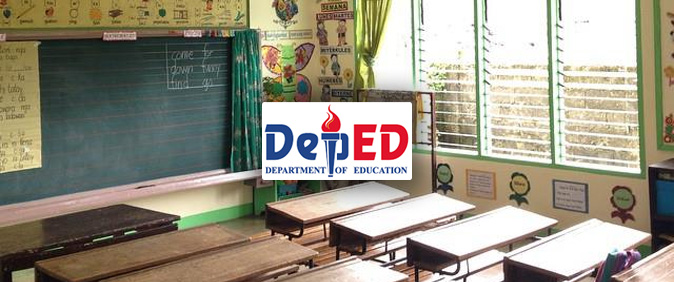
(Photo courtesy of DepEd Philippines official Facebook page)


 Tacloban Starts Tightening School Security After San Jose Campus Shooting
  DepEd Pushes Stricter Gadget Rules for Students in Tacloban Schools
  Tacloban Athletes Gear Up for Palarong Pambansa After Strong EVRAA Finish
  The Disinformation Crisis and the Statutory Stability of the K to 12 Framework