

 Ronnie Yanuario
 Posted on Mar. 12, 2026 at 11:18 pm

TACLOBAN CITY — In the city, motorists notice variations in fuel prices among gas stations, even when they are located close to each other.
While some drivers may assume that certain stations are overcharging, independent fuel retailers explain that the reasons behind these differences are more complex and begin long before gasoline reaches the pump.
According to Wilson Uy, president of Nitro Fuel, independent gas stations operate under a distinct system compared to large oil companies.
“Independent fuel retailers like us do not directly import fuel,” Uy clarified. “We rely on bulk or wholesale supply from major oil companies.”
This reliance is the primary factor contributing to the price variances that motorists may encounter.
Major oil companies manage a significant portion of the fuel supply chain, from importing petroleum products to storing and distributing them nationwide. Due to their handling of fuel in large quantities and maintaining their inventories, these companies can sometimes offer lower prices at their branded stations.
On the other hand, independent stations typically procure fuel from these same companies at wholesale rates.
“As independent stations, we purchase fuel daily based on the prices they establish,” Uy noted. “When wholesale prices are elevated, we are compelled to buy at those rates.”
By the time the fuel reaches the storage tanks of independent stations, the acquisition cost may already exceed the price at which large companies sell fuel at their own stations. This scenario presents a challenging situation for small retailers.
While they aim to remain competitive and attract customers, they also need to cover operational expenses such as transportation, employee salaries, utilities, and upkeep.
Consequently, pump prices at independent stations may sometimes appear higher, even though these retailers operate on narrow profit margins.
The industry structure also underscores the reliance of independent stations on the same suppliers that operate their retail outlets.
“If these suppliers opt not to supply independent stations, our businesses would face a fuel supply shortage,” Uy emphasized.
Independent retailers emphasize their vital role in the fuel market, particularly in areas where major branded stations are absent. Many smaller stations cater to rural communities, provincial roads, and residential neighborhoods where motorists depend on nearby access to fuel.
They are now calling for fair and reasonable wholesale pricing to enable smaller retailers to compete effectively and continue serving motorists.
Uy also appealed for public understanding when encountering price disparities at the pump.
“We hope motorists recognize that independent retailers are also impacted by the pricing policies of major suppliers,” he stated.
(Photos by: Ronnie Yanuario)


 Tacloban Expands Awareness on Women and Children’s Protection
  Tacloban Elderly Asked to Register for Benefits
  Fans Flock to Tacloban for SexBomb Girls’ ‘Get Get Aw’ Concert
  RDC Environment Committee Investigates Mining Act’s Impact on Eastern Visayas
 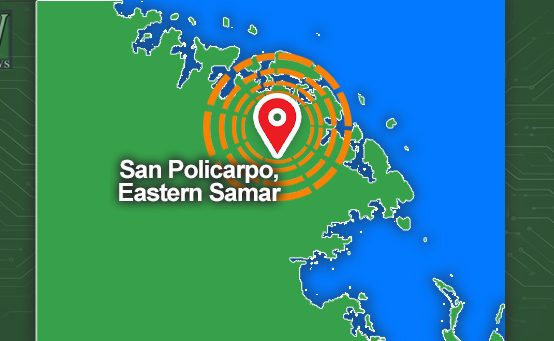 PHIVOLCS Records Series of Earthquakes Near San Policarpo
  DPWH Sec. Vince Dizon Clarifies Continued Major Rehabilitation of Maharlika Highway Amid Price Adjustments