
 Jazmin Bonifacio
 Posted on Apr. 27, 2026 at 9:31 am

TACLOBAN CITY — Amid ongoing security challenges and frequent natural disasters in the Philippines, the Balikatan 2026 exercises in Tacloban are focusing on strengthening defense readiness and improving life-saving disaster response capabilities.
The Tacloban phase, which started on April 20 and will continue until May 8, is based at Daniel Z. Romualdez Airport. It is part of the 41st annual Balikatan exercises, with simultaneous activities taking place in strategic locations, including Luzon, Palawan, and other parts of the Visayas.
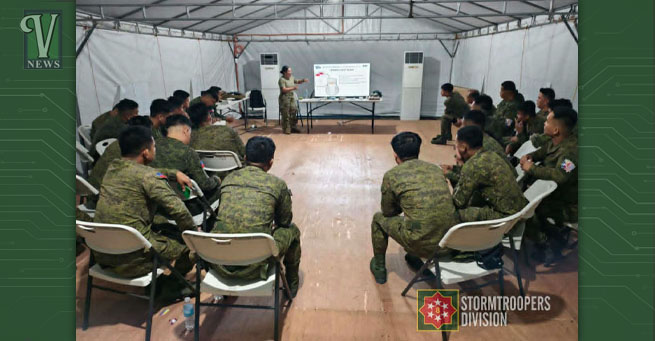
At the core of the Tacloban segment is Tactical Combat Casualty Care TCCC training, a crucial program aimed at equipping soldiers with the necessary skills to provide immediate medical assistance in high-risk situations. While initially developed for combat settings, these techniques are increasingly relevant in real-life emergencies such as typhoons, earthquakes, and mass casualty incidents, events that the Philippines frequently encounters.
The training, held at Daniel Z. Romualdez Airport, involves over a hundred United States Army personnel working alongside Philippine Army troops from the 8th Infantry Division. This joint effort demonstrates the strong coordination between the Armed Forces of the Philippines and their U.S. counterparts.
According to Army Captain Christopher Tataro, Public Affairs Chief of the 8th Infantry Division, the exercise’s value extends beyond military readiness.
“TCCC is not just for combat situations,” Tataro stated. “These are life-saving skills that are crucial during disasters, especially when access to medical facilities is limited and immediate response is crucial.”
Due to the intense daytime heat in Tacloban, much of the training takes place at night. This approach ensures the safety of participants and simulates real-life emergency conditions.
“Night training helps us maintain safety standards and replicate the effectiveness of the exercises,” Tataro explained. “It also helps keep our personnel physically prepared for challenging scenarios.”
In addition to medical training, the exercise emphasizes discipline and coordination. U.S. troops are restricted from engaging in leisure activities outside their base, and any movement beyond the camp is coordinated with Philippine Army escorts to maintain order and respect local protocols.
Even routine tasks, like food runs, are conducted in organized groups to uphold safety and professionalism.
Tataro emphasized that strict adherence to these measures ensures the smooth execution of the exercise and fosters positive relationships with the local community.
As part of logistical planning, U.S. forces have brought their own fuel supply to reduce the strain on local resources, aligning with broader efforts for efficient resource management.
In September 2026, Eastern Visayas will host the Pacific Partnership mission, a humanitarian-focused effort led by the United States. This initiative aims to provide humanitarian assistance, disaster response, and community engagement to strengthen resilience and cooperation in the region.
Balikatan 2026 in Tacloban focuses on enhancing cooperation and readiness for conflict and natural disasters without disrupting host communities. Given the Philippines’ vulnerability to typhoons and other hazards, prompt and effective response is crucial. Ongoing training in Tacloban helps participants hone their skills to address these challenges.
Photo Courtesy: Public Affairs Office, 8ID Phil Army


 EVMC spends P1.08B for Zero Balance Billing
  Leyte Farmers Bring a Forest Back
  Northern Samar Approves Right To Care Ordinance: Residents Can Choose Healthcare Representatives
  LANDBANK Launches Cash-Lite Campus Program at LNU
  Leyte Communities Trained to Turn Abaca Into School Bags
 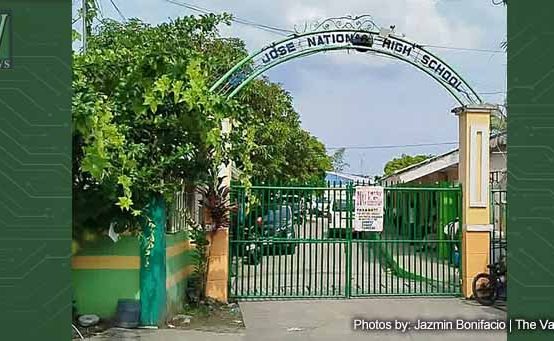 Napolcom Urges Stronger School-Community Ties After San Jose Shooting