
 Daboy Mataro
 Posted on June 27, 2026 at 3:35 am
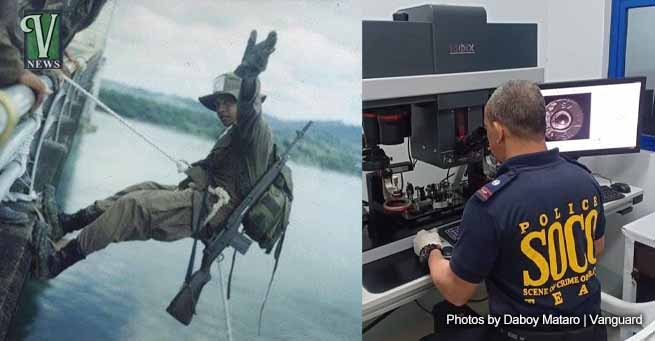
TACLOBAN CITY — I started my career in the Police Regional Mobile Group as a young officer trying to find my place in the service. Most of my work then was in the field responding to calls, joining operations, and dealing with situations that required quick thinking and discipline.
Like many criminology graduates, I initially thought policing would mainly be about patrol work and enforcement. But as I spent more time in the field, I found myself more interested in how cases were actually solved.
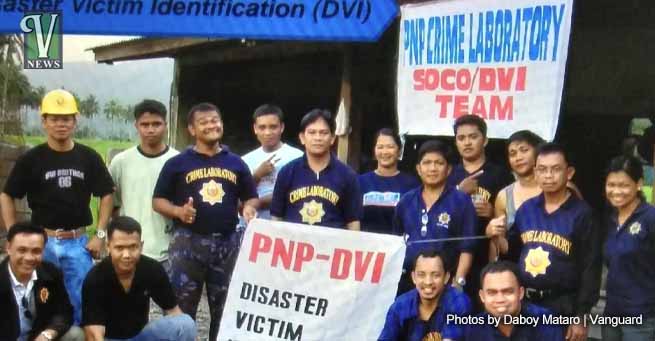
That curiosity pushed me to move into crime scene work, where I became a Scene of the Crime Operative (SOCO).
The shift changed how I looked at police work. Instead of responding to incidents, I was now walking into scenes after everything had already happened, trying to make sense of what was left behind.
In SOCO work, I learned early on that a crime scene is not just a location; it holds information. A small detail, if properly handled, can matter later in an investigation or in court. The job required a steady hand and a lot of patience, especially when it came to collecting and preserving evidence.
Over time, I became more involved in forensic firearms examination. That part of the work was more technical and done mostly in the laboratory.
Using a comparison microscope, I worked with bullets, cartridge cases, and firearms to see if they could be linked to a specific weapon. The markings on each bullet may look ordinary to the naked eye, but under magnification, they tell a different story.
One thing I learned is that conclusions in firearms examination cannot be based on guesswork. They have to be supported by clear and matching details markings that are visible, repeatable, and strong enough to stand scrutiny.
The work could be slow and repetitive at times, but it taught me to be careful with every detail. In many cases, those small details can help support an investigation or clarify what really happened.
After years in police service and forensic work, I retired from the organization. It was not an easy decision, but I felt it was time to move on from active duty.
Even after retirement, I did not want to step away completely from the work I had been doing for years. That is what led me to journalism.
Now I write about the same world I once worked in, police operations, investigations, and forensic science. The setting has changed, but the goal is still the same: to explain things clearly and help people understand what is happening behind the scenes.
Looking back, my career did not follow a straight path. It moved from field work to crime scenes, from the laboratory to writing stories.
Each stage taught me something different. But one lesson stayed constant: small details matter, and the truth is often built from them.
Photos by: Daboy Mataro | Vanguard


 The Extra Liter Paglaum Pupils Had to Carry
  Two Eastern Visayas schools to test digital learning system for Grade 2 pupils
 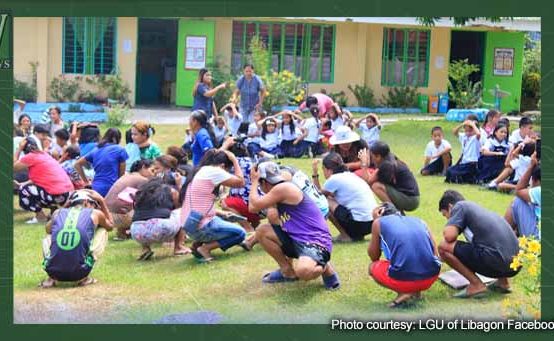 Libagon Suspends Classes as Engineers Check Schools After Quake
 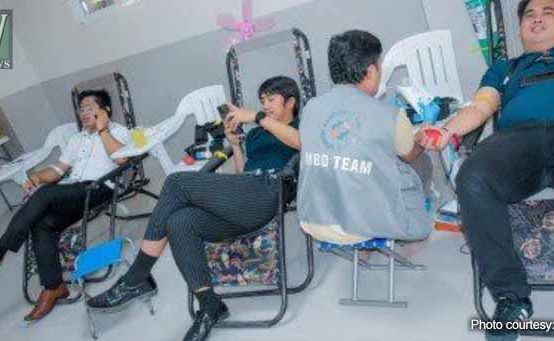 DOH Targets 47,000 Blood Units in Eastern Visayas
 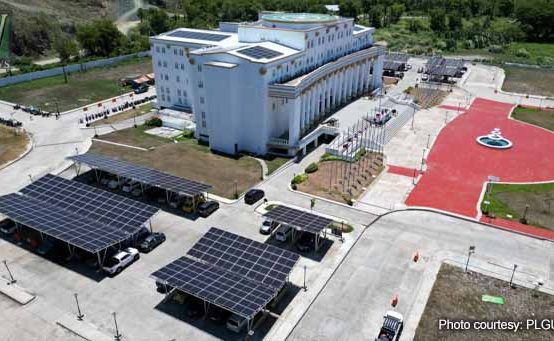 DOE, 5 Eastern Visayas LGUs Team Up to Lower Power Bills
 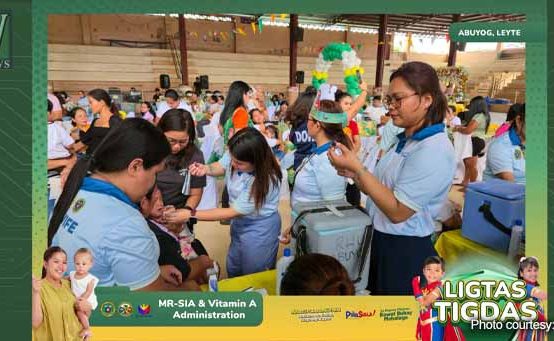 DOH Targets 445,961 Kids in Eastern Visayas Measles-Rubella Drive