
 The Vanguard
 Posted on July 5, 2026 at 12:21 pm
For decades, many communities in Samar have been isolated, not just by distance, but by a lack of roads, bridges, and basic services.
When a town is cut off from the main road, students can’t get to school easily, farmers can’t sell their crops, and the sick can’t reach a hospital in time.
Poverty and frustration take root, and sometimes, people lose hope.
That’s why the recent groundbreaking of four major infrastructure projects in Northern Samar and Eastern Samar is significant.
The P50-million Catubig Bridge, the P163-million Maslog-Jipapad Road Phase I, the P30-million Panic-an Bridge, and the P50-million Maslog-Jipapad Road Phase 2 aren’t just construction projects. They are lifelines.
The Office of the Presidential Adviser on Peace, Reconciliation and Unity (OPAPRU), said these projects will connect isolated communities to the main road.
In Catubig town alone, a 2.48-kilometer road and a 151-meter bridge will link 27 geographically isolated areas to economic and social centers.
That means more students can go to school, more farmers can sell their goods, and more families can access healthcare.
But there’s a bigger picture here.
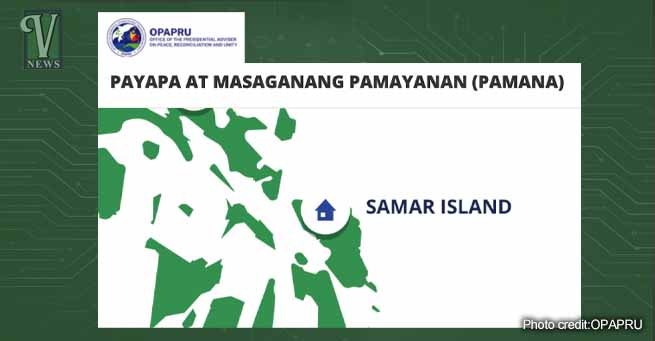
These projects are funded by the government’s Payapa at Masaganang Pamayanan (PAMANA) Program, which is based on a simple idea: lasting peace comes from development, not armed struggle.
For years, the communist terrorist group claimed that armed revolution was the only way to solve poverty and underdevelopment.
The Philippine Army’s 8th Infantry Division stresses roads, bridges, schools, health facilities, and livelihood programs are now reaching communities through peaceful means.
These projects are showing that change doesn’t require violence, it requires government action, community cooperation, and a commitment to building a better future.
The impact of these projects goes beyond convenience. They will reduce travel time, improve government services, enable faster emergency response, and make transportation safer.
For farmers, better roads mean easier access to markets, which means higher incomes and better lives for their families. Tourism will also grow, bringing economic opportunities to areas that were once overlooked.
This is not just about concrete roads. It’s about giving people a reason to believe that their lives can improve without rebellion, without joining armed groups, without losing hope.
It’s about showing that the government can deliver, that development is possible, and that peace is built not through fear, but through opportunity.
Lasting change doesn’t happen overnight. It happens when leaders are leading right. When communities work together, and when people choose hope over despair.
The roads being built in Samar today are not just roads, they are pathways to a more peaceful and prosperous future.
The question now is not whether these projects will be built. The question is whether government leaders will implement the kind of development that builds lasting peace. An maupay nga pamunoan maupay para ha katawhan.


 The Extra Liter Paglaum Pupils Had to Carry
  Army Recovers Hidden Arms Cache in Albuera, Leyte
  From Conflict to Crops: Farming Gives Leyte Families a Fresh Start
 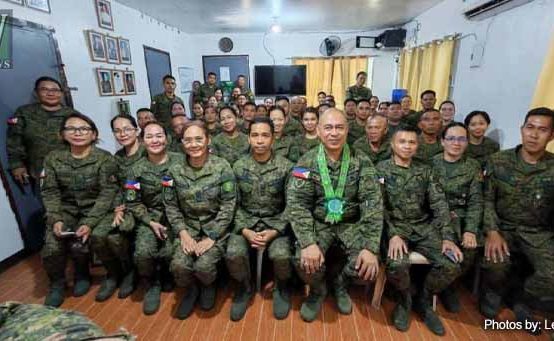 803CDC Promotes, Honors Reserve Personnel in Samar Ceremony
 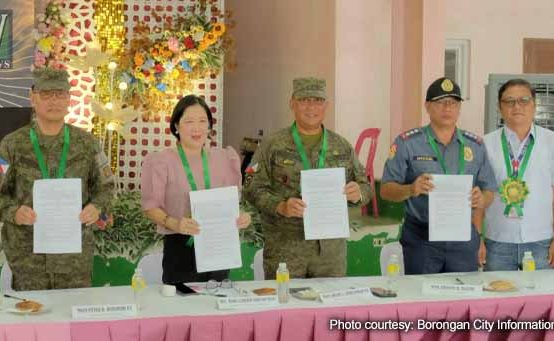 Borongan’s Insurgency-Free Status Boosts Hopes for Eastern Samar Tourism
 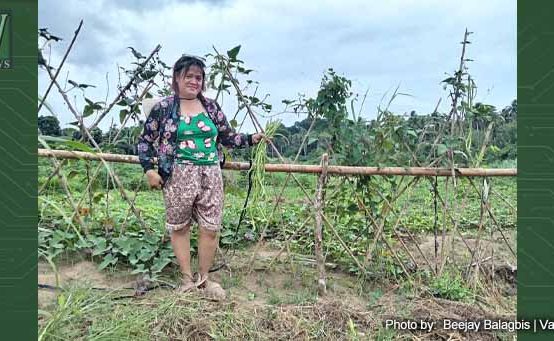 Manang Lita’s Garden: How a Farm Road Grows Dreams in Maslog