

 Jazmin Bonifacio
 Posted on October 2, 2026 at 7:56 am

Catarman, Northern Samar — The Provincial Cooperative and Community Affairs Office (PCCAO) is aiming to increase the number of cooperatives in Northern Samar from 83 to more than 800 within the next three years.
The target will be presented today, October 1, during the opening of National Cooperative Month at the new Capitol Gym in Barangay Dalakit.
Rei Josiah A. Echano, officer-in-charge of the PCCAO, said the plan is not simply about increasing the number of cooperatives. It is also intended to give more communities access to financial services, livelihood opportunities and other forms of support, particularly in agriculture, microfinance, transportation and consumer enterprises.
Echano said the province cannot afford to wait for cooperative services to slowly reach communities that need them.
“We cannot shortchange our people who craves for social engine of growth in large scale promotion of cooperatives. We shall not make them wait for this service to just trickle down to their communities,” he said.
“Our social, economic and environmental terrains so demands it. Our urgent task therefore is to make it happen and we must make it happen now,” he added.
Growth without sacrificing existing cooperatives
Echano said the push to establish more cooperatives will go hand in hand with efforts to strengthen those that are already operating.
“Our strategy focuses on both capacity-building for existing primary cooperatives and establishing new enterprises in underserved municipalities,” he said.
The PCCAO plans to provide continuing training in governance, regulatory compliance and financial management as new cooperatives are organized and existing ones are developed further.
“Expansion will be paired with continuous governance training, regulatory compliance, and financial management to ensure all coops remain resilient,” Echano said.
Cooperatives and disaster preparedness
Echano also sees cooperatives playing a role in helping communities prepare for and recover from disasters.
“While we cannot stop natural hazards from coming, we have full power to reduce vulnerability and build community capacity,” he said. “This is where the cooperative movement plays its most critical role.”
He said cooperatives can give families access to savings, emergency loans and micro-insurance that can help them cope with crop losses, property damage and medical emergencies.
For farmers, fisherfolk, transport workers and small business owners, cooperatives can also provide a way to pool money and resources, improve their products and find additional sources of income.
Cooperatives can help members buy equipment, store crops and develop post-harvest facilities that may be too expensive for individuals to acquire on their own.
Echano also cited the possible role of cooperatives in protecting forests, watersheds and coastal areas, which can help reduce the impact of natural hazards.
After a disaster, he said organized cooperatives can also help distribute assistance and get local businesses and supply chains operating again.
Why more than 800 cooperatives?
Echano said the province still has thousands of people involved in informal farming associations, fisherfolk groups, transport groups, women’s organizations and small businesses who could benefit from becoming part of registered cooperatives.
The PCCAO wants to help some of these groups, including agrarian reform beneficiary organizations (ARBOs), organize and register with the Cooperative Development Authority (CDA).
Registered cooperatives may qualify for government grants, climate-resilience programs and low-interest financing, depending on the requirements of the respective programs.
Echano also said cooperative enterprises can help keep earnings within local communities through patronage refunds and dividends.
He said the long-term goal is to lessen communities’ dependence on disaster assistance by helping them build stronger sources of income and savings.
Echano described the goal as moving Northern Samar “from perpetual disaster relief to permanent economic resilience.”
PCCAO seeks support from LGUs and communities
Echano called on municipal governments, the CDA and local communities to take part in the effort.
Municipal governments and other partner agencies can provide support, while communities can identify groups and potential enterprises that may be organized into cooperatives.
“This Cooperative Month is not just a celebration of where we are, but a call to action for where we need to go,” Echano said.
“Let us celebrate this month by laying the foundation for a stronger, safer, and 10x more resilient Northern Samar!”
The PCCAO’s target is to have more than 800 cooperatives operating across Northern Samar within three years, expanding cooperative services to more communities while strengthening the province’s capacity to cope with economic and disaster-related challenges.
Photo courtesy: PCCAO Northern Samar


 Northern Samar Approves Right To Care Ordinance: Residents Can Choose Healthcare Representatives
  Bringing Hopes of More Jobs: Northern Samar’s Capul, Biri Eyed as Stops for French Luxury Cruise Voyage
 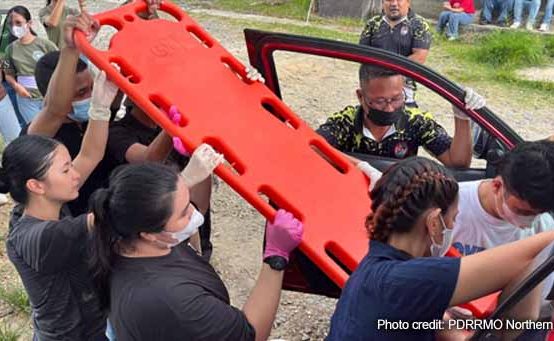 Northern Samar Wins 2026 Regional Rescue Jamboree
 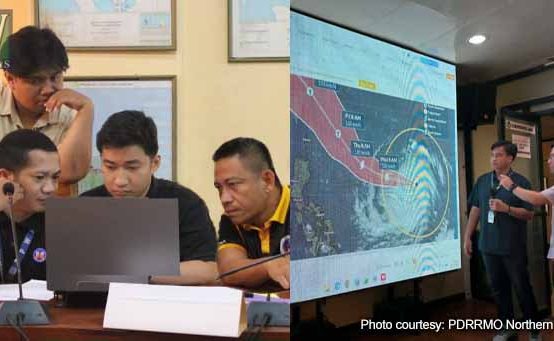 Northern Samar Placed on Blue Alert as ‘Inday’ Prompts Heightened Disaster Preparations
 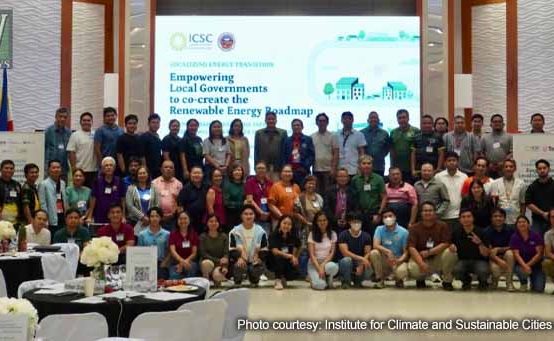 Northern Samar Moves Closer to a Cleaner Energy Future with Renewable Energy Roadmap
 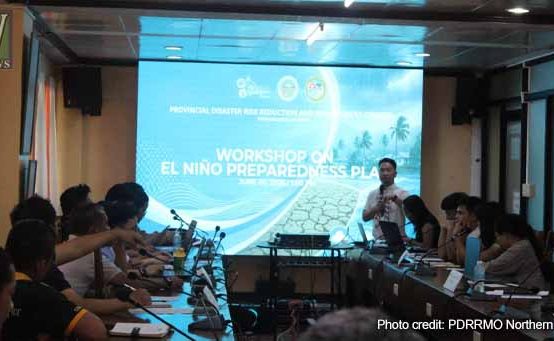 Northern Samar Strengthens Long-Term Plans to Protect Communities from Super El Niño Effects