
 Rolly Magallanes
Posted on October 11, 2026 at 10:46 AM

Tacloban City — Local governments in Eastern Visayas have disaster preparedness plans, but do they have the technology and resources needed to protect their communities before calamities strike?
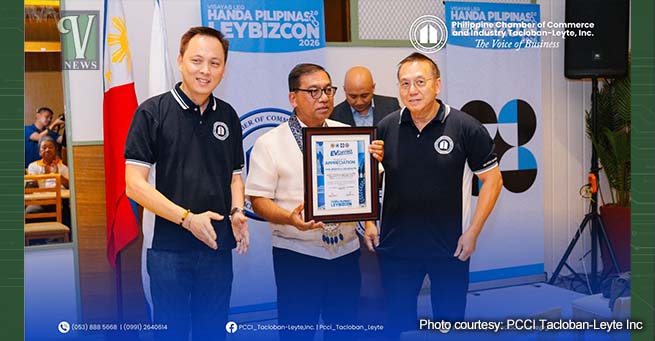
The question comes as the Department of Science and Technology (DOST) Eastern Visayas teams up with the Philippine Chamber of Commerce and Industry (PCCI) Tacloban Leyte Inc. for HANDA Pilipinas 2026, an initiative that promotes the use of science and technology in disaster preparedness.
The activity will bring together local government officials, business groups, schools, disaster risk reduction practitioners and other stakeholders from across the Visayas.
With the theme “Agham at Teknolohiya para sa Ligtas at Matatag na Bayan,” the event will feature technologies developed, supported or funded by DOST that can help communities prepare for different hazards.
For Eastern Visayas, where typhoons, floods and other natural hazards regularly threaten communities, having a disaster plan may not be enough. Local governments also need working early warning systems, reliable equipment and trained personnel who can put these tools to use.
DOST-8 Regional Director Jhon Glenn Ocaña said the event will help local governments identify gaps in their disaster preparedness measures and learn about technologies suited to the needs of their communities.
He said there is no single solution that can address the risks faced by every locality. A coastal town, for instance, may have different needs from a municipality prone to flooding or landslides.
Through HANDA Pilipinas, LGUs can look into available DOST technologies and determine which ones they can use in their respective areas.
The event will include a disaster risk reduction and management technology exposition, where participants can see and learn about available products and innovations.
But acquiring equipment is only one part of disaster preparedness. Local governments also need enough funds to purchase, operate and maintain these technologies. They must also have personnel who know how to use them, especially during emergencies.
For residents in remote and coastal communities, timely warnings can mean the difference between having enough time to evacuate and being caught off guard by a disaster.
The initiative also puts the business sector in the discussion. Through its partnership with PCCI Tacloban Leyte Inc., DOST hopes to encourage businesses to use science-based solutions to protect their operations and reduce losses during calamities.
Ocaña said businesses are also vulnerable to disasters and need technologies that can help them prepare for risks, avoid prolonged disruptions and resume operations after emergencies.
Still, the success of the program will depend on whether local governments can put these technologies to actual use and whether communities can benefit from them.
For now, questions remain about which LGUs in Eastern Visayas already use DOST-supported technologies, how much they spend on disaster preparedness equipment and whether their warning systems reach residents in high-risk areas.
These are issues that local governments and disaster officials need to address as the region continues to face threats from natural hazards.
HANDA Pilipinas 2026 will give LGUs an opportunity to learn about available technologies. The bigger task, however, is making sure these tools do not remain in exhibition halls or government offices but are used where they are needed most: in communities facing disasters.
Photo courtesy: PCCI Tacloban-Leyte Inc


 Tacloban Must Turn El Niño Preparations Into Action
 Eastern Visayas Abaca Contributes to Philippine Exports
 Drought, Power Shortages Threaten to Raise Utility Costs in Eastern Visayas
 Fruit vendor arrested in Tacloban buy-bust operation
 LTFRB-8 Warns PUV Operators Against Overcharging Ahead of Undas
 Solar Irrigation Projects Strengthen Drought Preparedness in Eastern Visayas