
 The Vanguard News
Posted on October 31, 2026 at 8:28 AM
Tacloban City is right to prepare early for a possible very strong El Niño. The city government’s preparations are a necessary step toward reducing the risks of a potential water crisis.
But plans, water tanks and emergency funds will matter only if they translate into reliable water access for households, schools, hospitals and other essential services when prolonged dry conditions set in.
The challenge now is to ensure that every measure is implemented on time, reaches vulnerable communities and is backed by clear public information.
Mayor Alfred Romualdez has emphasized early preparation and coordination among government agencies, while the City Disaster Risk Reduction and Management Council has discussed the city’s 2026 El Niño Action Plan.
The proposed measures include water rationing, conservation advisories, rainwater collection and color-coded alert levels to guide residents. These are practical steps, but their effectiveness will depend on clear communication and consistent implementation.
Water security must remain the central concern.
The city is continuing water distribution through government trucks in northern barangays while coordinating with the Leyte Metropolitan Water District to repair pipelines and restore household connections. Officials have also assessed the capacity of concerned agencies and service providers to meet demand during a possible crisis.
Tacloban has prepared 50 stainless steel tanks, each with a capacity of two metric tons, as well as 50 PVC tanks with metal cages for rationing operations in coordination with LMWD. Officials are also exploring desalination as an alternative source of potable water for emergency use.
These preparations are encouraging. But equipment and alternative sources should be supported by clear distribution plans, regular maintenance and transparent information on where residents can obtain water and when supplies will be available.
The assurance that PrimeWater’s long-awaited water connection for northern Tacloban residents will be completed by December 2026 is also worth watching. Residents have waited for this service, and the commitment should be met within the stated timeline. Reliable household connections are more sustainable than depending on emergency water deliveries.
Hospitals, health centers, fire stations and schools must receive priority because interruptions in their water supply could affect public health, emergency response and basic education. Protecting these facilities should be a non-negotiable part of the city’s contingency planning.
The availability of disaster risk reduction and management funds is another important factor. These resources must be used responsibly and efficiently, with spending directed toward measures that produce measurable improvements in water security and emergency readiness.
But government preparation alone will not be enough. Households, businesses, schools and community organizations must also recognize that water conservation is a shared responsibility.
Residents should avoid unnecessary water use, collect rainwater when feasible and follow official advisories.
Barangay officials, meanwhile, can help identify households most at risk and ensure that information reaches communities promptly.
Tacloban has experience dealing with disasters. That experience should reinforce the importance of acting before a crisis becomes unavoidable.
The city government must now turn its El Niño action plan into a timetable of concrete measures, provide regular clear updates on water availability and infrastructure repairs, and ensure that vulnerable communities are not left behind. Residents, for their part, must conserve water and cooperate with local authorities.
A possible very strong El Niño is a warning that should not be ignored. The time to secure Tacloban’s water supply is before the taps run dry, not after families are forced to line up for emergency deliveries.
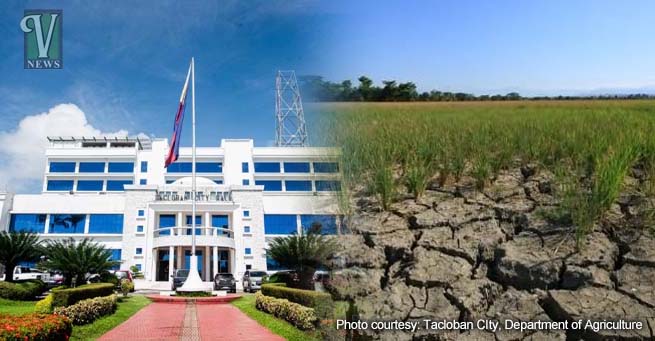
Photo courtesy: Tacloban City, Department of Agriculture


 Drought, Power Shortages Threaten to Raise Utility Costs in Eastern Visayas
 LTFRB-8 Warns PUV Operators Against Overcharging Ahead of Undas
 DOST Weather Stations to Help Farmers Beat Dry Spells
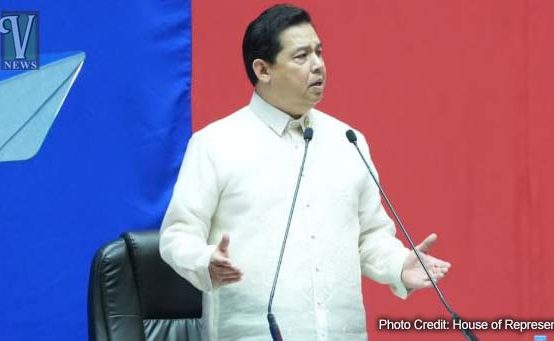 Being Martin Romualdez isn’t a Crime, Due Process Must Outrun Public Prejudice
 500 Leyte Students to Receive Free Eyeglasses After Vision Screening
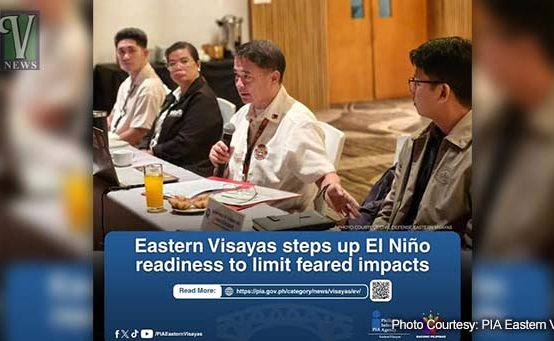 Eastern Visayas Steps Up Preparations for Possible El Niño