
 Fred Padernos
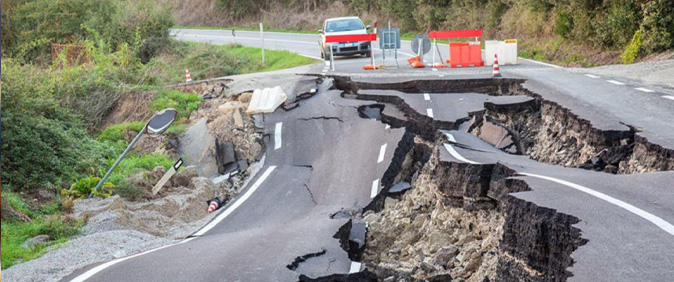
 TACLOBAN CITY, October 11, 2025 — Earthquakes are often viewed with fear and seen as symbols of divine wrath or reminders of nature’s uncontrollable power. They shake not only the ground, but also human beliefs and resilience. However, experts are urging the public to look beyond the destruction and see earthquakes not only as threats but as vital forces that shape our planet and deepen our understanding of it.
While communities continue to mourn the lives and infrastructure lost in seismic disasters, scientists emphasize that earthquakes play an essential role in the Earth’s natural balance and even in society’s advancement.
Natural Forces of Renewal
“Earthquakes are not just catastrophic events — they are geological necessities,” said a geophysics expert from the Philippine Institute of Volcanology and Seismology (PHIVOLCS). The movement of tectonic plates, which causes earthquakes, is responsible for forming mountains, ocean trenches, and valleys. Over millennia, these seismic shifts have continually reshaped the Earth’s surface, creating the very landscapes we live on today.
Earthquakes also help release built-up stress within the Earth’s crust, preventing even larger and more destructive ruptures. In a way, they serve as pressure valves — momentarily violent, but necessary for long-term geological stability.
Revealing Earth’s Resources
Seismic activity can expose valuable underground resources such as minerals, oil, gas, and even groundwater. In countries like the Philippines, which lie along the Pacific Ring of Fire, earthquakes and related volcanic activity also contribute to the development of geothermal energy — a sustainable, renewable energy source crucial for the country’s long-term energy security.
Driving Scientific and Societal Progress
Each earthquake generates data that helps scientists improve early warning systems, understand fault behavior, and develop technologies that save lives. “We learn something new with every quake,” said one disaster preparedness officer. “These lessons translate into stronger buildings, better evacuation protocols, and more resilient communities.”
In fact, stricter building codes and urban planning improvements in many countries have emerged directly from post-earthquake evaluations. From Japan to Chile, engineering advances rooted in seismic science have reduced casualties and damage in high-magnitude events.
Unexpected Ecological Impacts
Though rare, some earthquakes can trigger environmental transformations that support biodiversity. Quakes may create wetlands, new lakes, or redirect river paths — opening the door for new ecosystems to form. These changes, while sudden, can breathe new life into areas previously degraded or stagnant.
Balancing Fear with Readiness
Still, scientists and officials caution against downplaying the risks. In densely populated areas with poor infrastructure, earthquakes can quickly turn deadly. That’s why disaster education, community drills, and resilient construction remain critical priorities.
“Preparedness is key,” said OCD Regional Director Lord Byron P. Torrecarion, Chairperson of the Regional Disaster Risk Reduction and Management Council (RDRRMC) VIII. “Earthquakes are part of our reality — we cannot prevent them, but we can be ready.”
Earthquakes: Both a Challenge and a Teacher
As communities continue to recover from recent tremors, experts call on the public to shift their perspective — not to ignore the destruction earthquakes bring, but to also recognize what they reveal about the Earth and ourselves.
In the end, earthquakes do more than just shake the ground — they challenge our assumptions, test our resilience, and push us toward deeper knowledge and greater preparedness. They are, in their own unsettling way, both destroyers and teachers.


 OCD Urges Eastern Visayas Barangays to Prepare Backup Warning Systems When Signals Fail
  OCD 8 Brings Hope to Isolated Mamanwa Tribe After Typhoon Opong