

 Gina Dean
 Posted on Feb. 7, 2026 at 7:27 am
For the longest time, the path to “progress” in Leyte and Samar devastated areas has been a road paved with political gatekeeping. When the Secretaries of the DPWH and DOTr recently descended upon the province, they didn’t just find dilapidated bridges and crumbling asphalt; they encountered a community weary of the “official” version of the truth.
The consensus among the locals is clear: if you want an honest assessment of a project, you don’t ask the politician holding the ribbon-cutting scissors—you ask the residents walking the mud and the private groups watching the books.
The recent confrontation where Secretary Dizon reprimanded DPWH personnel for bypassing standard procedures was a rare moment of public accountability. Yet, the ensuing silence from the District Engineering Office (DEO) was deafening. This silence is not mere modesty; it is a symptom of a deeper, more systemic rot. When technical experts cannot explain why procedures were ignored, one must ask: Who are they protecting?
It is an open secret that the ghost of patronage haunts our infrastructure. The alleged “40% SOP” (kickback) system is not just a rumor—it is a mathematical death sentence for quality. When nearly half the budget is siphoned off into the pockets of “allies, family, and friends,” the remaining funds can only produce substandard results. We are left with “disposable” infrastructure, while contractors—some merely “renting” their licenses to unqualified cronies—escape accountability through a maze of illegal sub-contracts.
Perhaps the most brazen display of this institutional capture is the physical presence of congressional “extension offices” inside the very halls of the DPWH District Engineering Offices. By embedding political staff directly into the technical workspace, the line between legislative oversight and executive execution is not just blurred—it is erased. When political “job-order” employees are reportedly paid out of repair and maintenance funds, the agency ceases to be a public service arm and becomes a taxpayer-funded campaign machine.
Thankfully, the DILG’s renewed vigor in enforcing the “Anti-Epal” policy has begun to strip away the facade. The sudden disappearance of oversized tarpaulins—those gaudy monuments to political ego that masqueraded as transparency boards—is a welcome sight. For too long, these signs fostered a distorted culture of utang na loob (debt of gratitude), as if the road beneath our feet was a personal gift from a congressman.
Let this be a reminder to those in the “Fortress of Silence”: infrastructure is not a favor granted by a politician. It is a right paid for by the sweat of the taxpayer. The DPWH must decide whether it serves the Filipino people or the district lords. Until the agency regains its voice and its independence, the roads of Samar will continue to lead to nowhere.


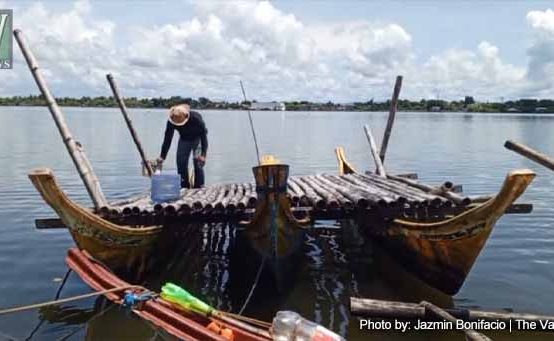 Legal Battle Looms Over Cancabato Bay Causeway Project
 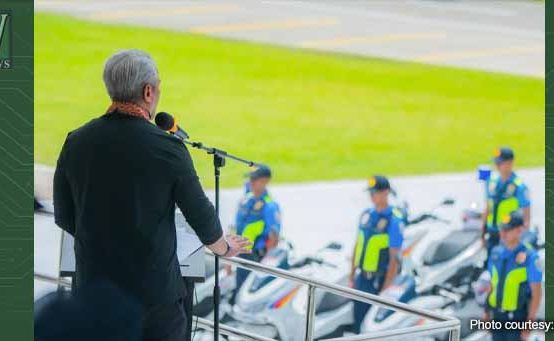 50 Motorcyles to Help Eastern Visayas Cops Respond Faster
 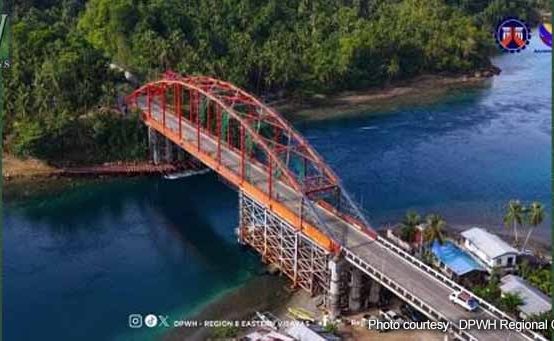 After a Year of Restrictions, Liloan Bridge Fully Reopens With 15-Ton Load Capacity
 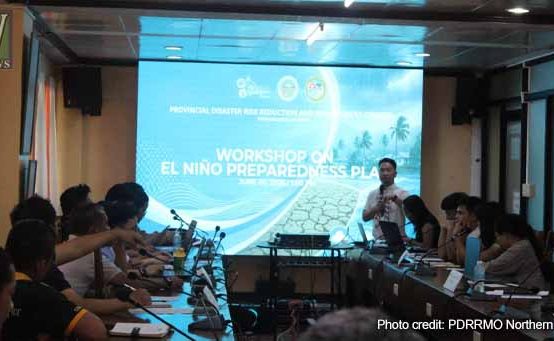 Northern Samar Strengthens Long-Term Plans to Protect Communities from Super El Niño Effects
 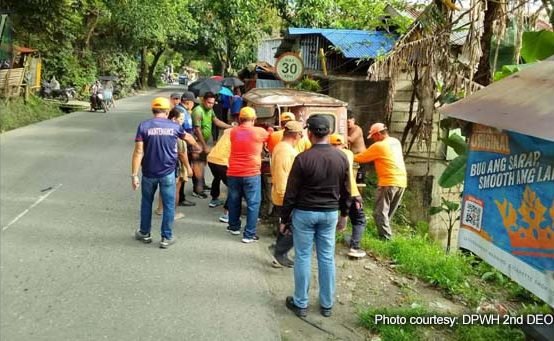 Catbalogan City Gears Up for Holy Week with Road Clearing, Traffic Measures
 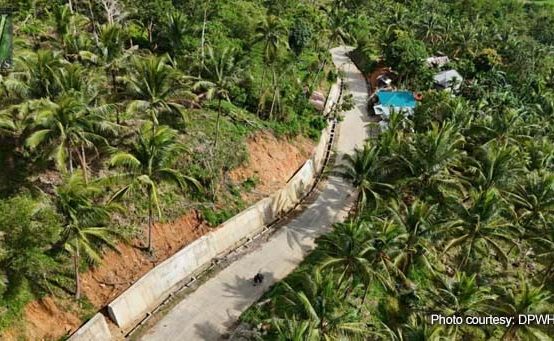 Biliran DPWH Builds Drainage, Landslide Wall for Caucab-Almeria Road