
 The Vanguard
 Posted on May 16, 2026 at 10:41 am
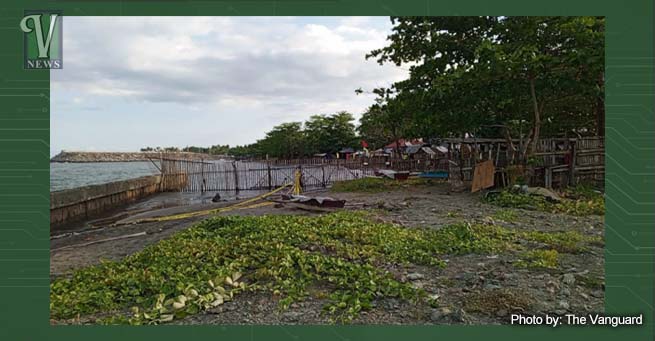
The Balikatan exercises are often framed as a grand display of solidarity, a muscular handshake between the Philippines and the United States meant to signal readiness, resilience, and mutual defense. But for the hundreds of fisherfolk along Tacloban’s San Pedro Bay, that handshake came at their expense.
And the worst part? Nobody bothered to tell them beforehand.
A temporary suspension of fishing activities during this year’s Balikatan exercises has exposed a troubling communication gap between military planners and the very communities whose waters they temporarily seized. The Coast Guard’s navigational warning declaring portions of San Pedro Bay a restricted exercise area from May 5 to 7 came as a complete surprise to many fishermen. By the time local officials were informed, a mere day before the restrictions took effect, it was already too late.
Too late to warn the families who wake up before dawn to cast their nets. Too late to help them save for the days they would be forced to stay ashore. Too late to validate who among the more than 300 registered fisherfolk in Tacloban would qualify for any form of assistance.
A government official put it plainly: “Dapat ginpapasabot kami para kami in nakag-andam antes pa an aktibidad (We should have been informed so we could prepare before the activity started).” That is not a radical demand. It is basic courtesy. It is also, one would assume, standard operating procedure when military operations intersect with civilian livelihoods.
But standard procedure appears to have been an afterthought.
The result? Days of lost income for families who live catch-to-mouth. Confusion and anxiety for communities already stretched thin by inflation and rising fuel costs. And a scramble from local offices like the City DSWD, which had to request emergency assistance from the regional office, a request that, as of this writing, remains unapproved.
Here is the uncomfortable truth that military planners and their visiting allies need to hear: Balikatan does not exist in a vacuum. Warships and joint drills do not float above the daily realities of the people who live along the coasts they use for training. When you close off fishing grounds, you are not just drawing lines on a navigation chart. You are taking food off the tables. You are taking away their only source of income. You are forcing fathers and mothers to explain to their children why there is no fish for dinner.
To be fair, the restrictions lasted only three days. But for a fisherman whose daily catch is his only source of income, three days might as well be forever. And the fact that existing disaster response guidelines do not cover Balikatan-related disruptions makes the situation even more absurd. Local funds are insufficient, the city admits. But since the disruption is not technically a “disaster,” the usual safety nets do not apply.
So who pays? The fisherfolk do. As always.
Tacloban officials have done the right thing by speaking up. The call for earlier coordination between military organizers and local governments should not be dismissed as a mere complaint. It is a necessary corrective. If the armed forces and their allies cannot manage the simple logistics of notifying the communities they will directly affect, then perhaps the definition of “exercise” needs to be revisited.
Balikatan is meant to prepare for crises, not create new ones. It is meant to build partnerships, not erode trust. But when fisherfolk are left in the dark and left without income, the message received is not one of security. It is one of disregard.
Military exercises will continue. They must, many would argue, in the face of growing regional threats. But let this incident serve as a reminder: national security is not just about missiles and maneuvers. It is also about making sure that the people in affected communities, the poor fisherfolk who depend on daily catch, are not the ones left hungry by the very forces that claim to protect them.
Next time, send the notice earlier. Coordinate with local offices. Make sure the fishermen of San Pedro Bay are not the last to know.
Because if you cannot protect their livelihood during a drill, how can you expect them to believe you will protect their lives in a crisis?


 EVMC spends P1.08B for Zero Balance Billing
  Leyte Farmers Bring a Forest Back
  Northern Samar Approves Right To Care Ordinance: Residents Can Choose Healthcare Representatives
  LANDBANK Launches Cash-Lite Campus Program at LNU
  Leyte Communities Trained to Turn Abaca Into School Bags
  Napolcom Urges Stronger School-Community Ties After San Jose Shooting