
 Beejay Balagbis
 Posted on July 8, 2026 at 1:53 am

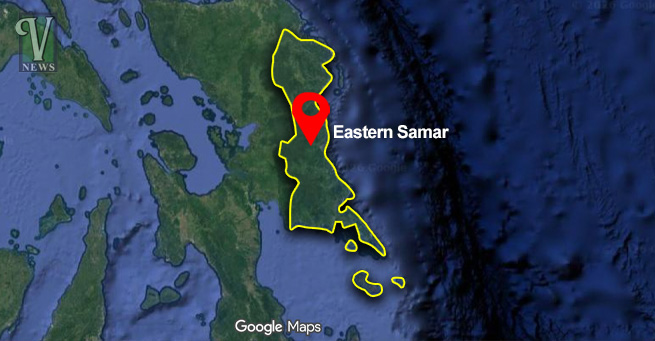
For decades, Eastern Samar has pursued development with a simple yet flawed approach: every one of its 22 municipalities and capital city of Borongan has tried to be everything to everyone.
Towns have competed for the same industries, chased the same investments, and duplicated efforts across the province—resulting in fragmented resources, missed opportunities, and a lack of clear identity for the region as a whole. It is time for a new strategy: instead of spreading ourselves thin, we must build our future on the power of specialization.
A cluster-based development model—where each local government unit (LGU) focuses on industries that match its unique geography, resources, and existing strengths—offers Eastern Samar its best chance to grow into a resilient, integrated economy.
When every town tries to develop agriculture, tourism, and manufacturing all at once, none can achieve the scale or expertise needed to compete beyond our borders. But when each LGU becomes known for one or two flagship sectors, we create a province that functions as a cohesive system, with every part supporting the success of the whole.
Borongan City, as our provincial center, is naturally positioned to serve as Eastern Samar’s commercial and financial hub. With its existing infrastructure, educational institutions, and healthcare facilities, it can expand into areas like business process outsourcing, information and communications technology, medical tourism, and logistics—while also establishing itself as a key surfing destination.
Meanwhile, coastal towns like Arteche, Giporlos, and Balangkayan can leverage their proximity to rich marine resources to specialize in coconut processing, aquaculture, seaweed farming, and fish production.
Heritage-rich Balangiga can focus on historical tourism, building on its unique place in Philippine history to attract visitors and support local businesses that offer traditional delicacies and boutique accommodations.
Mountain towns like Jipapad, Maslog, and Lawaan have the potential to lead in high-value crops like cacao and coffee while protecting vital watersheds and developing ecotourism opportunities that preserve our natural environment.
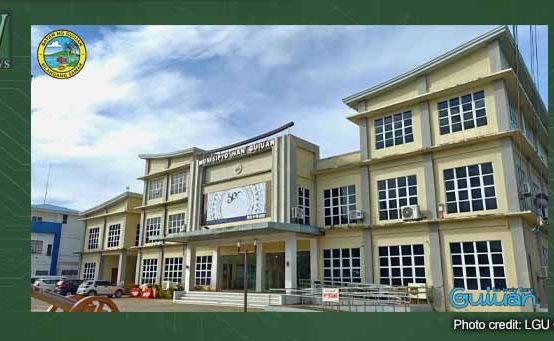
Guiuan, with its airport and strategic location, can become our gateway for international tourism, marine research, and renewable energy projects—while also being recognized as part of the province’s surfing capital. Maydolong can build on its natural attractions to develop nature tourism, waterfall tours, fruit processing, and cacao production, alongside its emerging reputation as a premier surfing spot.
Quinapondan, Can-avid, and Dolores will serve as the province’s agricultural backbone, designated as the rice granary of Eastern Samar with a focus on modernizing rice production and building facilities for grain storage and agro-processing. Oras, with its existing port infrastructure, is perfectly suited to become our provincial fisheries hub.
Sulat can lead in sustainable wood and bamboo processing, while also producing quality wood furniture for both local and export markets. Llorente and Taft can focus on logistics and trading, ensuring that goods from every corner of Eastern Samar reach domestic and international markets efficiently.
General MacArthur, Salcedo, and San Policarpo can develop their coastal areas for beach tourism, resorts, and coconut processing, while Hernani can specialize in adventure tourism, boutique resorts, specialty coffee, and upland agriculture. Mercedes can focus on vegetable farming, food processing, and agricultural trading to complement the rice granary cluster.
Specialization does not mean isolation. Some of our biggest opportunities lie in province-wide initiatives that bring LGUs together around shared goals. The proposed Eastern Samar Fisheries and Seafood Corridor – linking Guiuan, Giporlos, Quinapondan, Oras, San Julian, and Balangkayan – would position our province as Eastern Visayas’ premier destination for seafood processing and export.
By coordinating efforts, sharing infrastructure, and marketing our products as a unified brand, we can compete on a national and global scale. Similarly, designating Borongan City, Maydolong, and Guiuan as Eastern Samar’s surfing capital would create a cohesive destination that rivals famous surfing locations in the Philippines and beyond.
The rice granary cluster of Quinapondan, Can-avid, and Dolores can collaborate on irrigation projects, seed distribution, and market linkages to ensure food security and increase agricultural productivity across the province. Sulat’s wood processing industry can source raw materials from sustainably managed forests in neighboring towns, while Llorente and Taft’s logistics networks ensure finished furniture and other goods reach buyers efficiently.
An interior highland agriculture corridor would allow our upland towns to collaborate on sustainable farming practices, watershed protection, and eco-tourism development. And an Eastern Samar logistics belt would ensure that all our producers—from farmers to fishermen to manufacturers—have access to efficient transport and distribution networks.
One of Eastern Samar’s greatest untapped strengths is the potential for collaboration between our LGUs. For too long, towns have viewed each other as competitors for limited government funding and private investment.
This mindset has led to duplicated projects, underutilized facilities, and a failure to build on each other’s successes. Imagine instead a province where Oras is nationally recognized for its premium seafood products; Guiuan serves as our international gateway for tourism and research while drawing surfers from around the world; Borongan provides the financial and educational services that support all sectors alongside its own surfing beaches; Maydolong combines nature tourism with its reputation as a top surfing spot; Quinapondan, Can-avid, and Dolores ensure the province is self-sufficient in rice while supplying surplus to neighboring regions, and Sulat becomes known for finely crafted wood furniture. In this model, each LGU complements the others—fishermen in Giporlos send their catch to processors in Oras, tourists arriving in Guiuan travel to surf in Borongan and Maydolong, rice from the granary cluster is distributed through Llorente and Taft’s logistics networks, and wood from sustainable sources is transformed into furniture in Sulat for delivery across the province and beyond.
The path forward for Eastern Samar is not about how much money each municipality can secure for itself—it is about how strategically we invest our resources to build competitive advantages that benefit the entire province.
Every LGU should aspire to be the best at something economically meaningful, whether that is producing high-quality crops, providing specialized services, or offering unique tourism experiences.
By embracing cluster-based development, we can transform Eastern Samar from a collection of isolated communities into an integrated, investment-ready province that stands out in the region.
We will create more jobs, build stronger local economies, and ensure that our natural and cultural resources are developed in sustainable ways that benefit both current and future generations.
The time has come to stop trying to be everything to everyone. Let us build a stronger Eastern Samar by letting each town be the best at what it does – and working together to make our province greater than the sum of its parts.


 Can-avid LGU Distributes 10Kg Rice Aid to 5,000 Families
  Borongan’s Insurgency-Free Status Boosts Hopes for Eastern Samar Tourism
  DENR Launches Mobile Permitting Services in Guiuan
  In Dolores’ Fields: Where Rice Grows Dreams for Eastern Samar
  Guiuan Airport Upgrade Pushed to Improve Eastern Visayas Connectivity
  Bringing Capacity Building Home: Maslog Sets New Standard for Local Legislation Training