
 Rolly Magallanes
Posted on October 30, 2026 at 8:25 AM

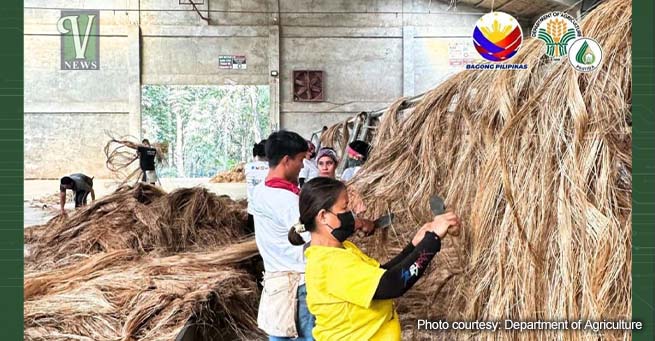
Tacloban City — Eastern Visayas earned US$550,000 from abaca pulp exports in May 2026, but the amount does not tell the whole story of the region’s abaca industry.
For the farmers who grow and harvest the fiber, the bigger question is whether the growing market for abaca products also means better income for them.
The Philippine Statistics Authority (PSA) Region 8 reported that the region recorded US$20.18 million in total exports in May, based on its preliminary International Merchandise Trade Statistics released on October 10.
Abaca pulp accounted for US$550,000 of the total.
Abaca, also known as Manila hemp, is a natural fiber native to the Philippines. It is used in making specialty paper, tea bags, filtration materials, currency paper, ropes and handicrafts because of its strength and durability.
Turning raw abaca fiber into pulp and other finished products increases its value and opens opportunities in international markets. But how much of that added value goes back to the farmers remains a question.
Farmers do much of the work at the start of the supply chain, from maintaining plantations to harvesting and extracting the fiber. Their earnings, however, depend on the prices offered by buyers, production costs and access to markets.
Joseph Salas, officer-in-charge regional director of the Philippine Fiber Industry Development Authority (PhilFIDA) Region 8, said the industry needs continued support to improve production, fiber quality and processing.
He also stressed the importance of connecting farmers to market opportunities.
According to Salas, processing abaca into pulp and other higher-value products could expand its uses in different industries and strengthen the links between farmers, processors, manufacturers and international buyers.
A stronger abaca industry could also create jobs, support rural businesses and provide additional income opportunities for farming communities.
PhilFIDA-8 works with local government units, farmers’ associations, government agencies, schools and industry partners to improve abaca production. Its programs include disease management, mechanization and better fiber processing.
The agency also sees the need to rehabilitate plantations and improve productivity to ensure a steady supply of quality fiber for processors and export markets.
Still, higher export earnings do not automatically mean higher income for farmers. The prices they receive for their fiber, the cost of production and the number of buyers available in their communities all affect how much they take home.
More processing facilities and better access to buyers could help farmers gain from the growing demand for abaca products. But determining whether they are getting a fair share requires a closer look at farm-gate prices and how earnings are distributed among farmers, traders, processors and exporters.
For Eastern Visayas, the abaca industry offers an opportunity to bring local agricultural products to a wider market. The challenge is making sure that the farmers behind the industry also benefit from its growth.
The US$550,000 in abaca pulp exports recorded in May shows the region’s place in international trade. Whether that translates into better livelihoods for abaca farmers is a question that still needs to be answered.
Photo Courtesy: Dept. of Agriculture


 Drought, Power Shortages Threaten to Raise Utility Costs in Eastern Visayas
 LTFRB-8 Warns PUV Operators Against Overcharging Ahead of Undas
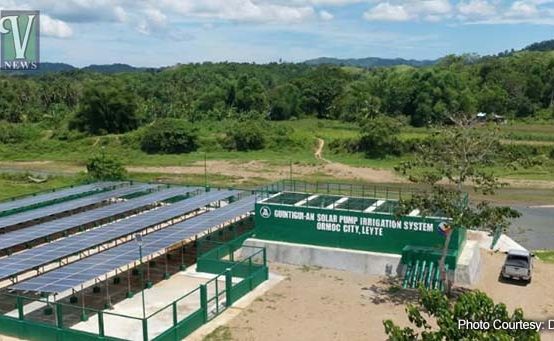 Solar Irrigation Projects Strengthen Drought Preparedness in Eastern Visayas
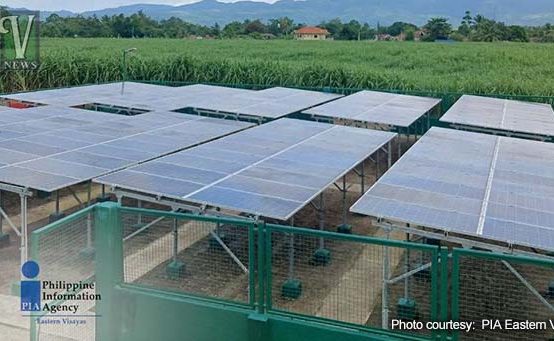 Solar Irrigation Helps Leyte Farmers Save on Fuel Costs Amid El Niño
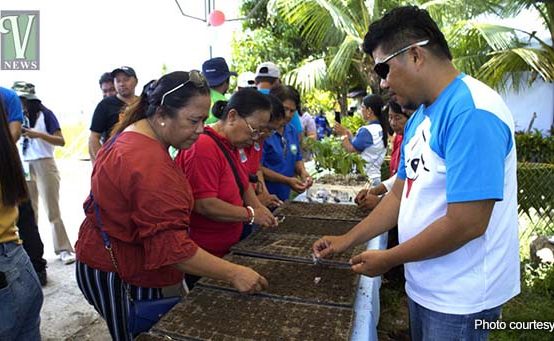 Leyte Farmers Turn Irrigation Canal Spaces Into Vegetable Gardens
 Eastern Visayas Steps Up Preparations for Possible El Niño