
 The Vanguard
 Posted on Mar. 3, 2026 at 7:56 am
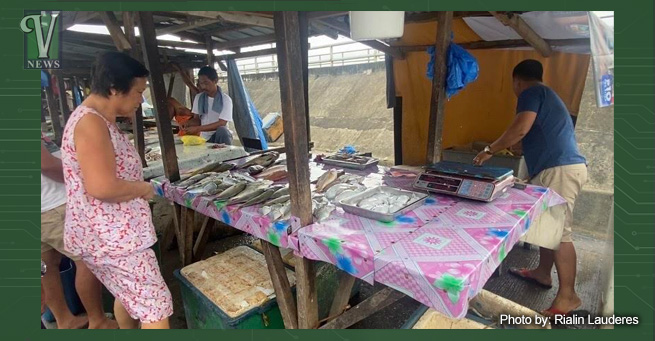
TACLOBAN CITY — Vendors and buyers at the public market in Baybay, San Jose are feeling the impact of increasing inflation, as higher fuel and transportation costs drive up the prices of fish and other essential goods.
Marlon Daculog, a 40-year-old father of three and a fish vendor with over 20 years of experience, expressed the challenges of making a living in the current situation.
“Even if we want to reduce prices, it’s difficult to make a profit when our costs for supplies are already high,” Marlon explained. “We depend on our suppliers, and their prices keep rising.”
According to the Philippine Statistics Authority, consumer prices rose in January 2026, affecting vital goods and services nationwide. For small vendors like Marlon, this means adjusting prices to avoid losses.
He noted that the surge in fuel prices has led to increased transportation expenses, subsequently raising the cost of fish at the source. By the time the products reach the market, prices have already escalated.
Tacloban City has approximately 3,309 registered fisherfolk, highlighting the significance of the fishing sector in the local economy and food supply. The city government conducts annual registration of fisherfolk and fishing vessels in coastal barangays to enhance the monitoring and management of marine resources.
Collaboration with the Barangay Fisheries and Aquatic Resources Management Council (BFARMC) is crucial for safeguarding coastal areas and enforcing fishing regulations.
At the national level, the Bureau of Fisheries and Aquatic Resources offers assistance programs in Eastern Visayas, including fishing boats, gear, fingerlings, and livelihood support for fisherfolk associations.
Nevertheless, some small-scale fishers and vendors feel that assistance often bypasses individuals like them, focusing more on organized groups. This leaves independent vendors to grapple with escalating costs independently. While food prices may not be as steep as in previous years, the continuous rise in fuel and transport expenses impacts the entire supply chain. Vendors are finding it increasingly challenging to keep fish affordable for families who rely on the public market for their daily sustenance.
In addition to inflation, the fishing sector grapples with enduring issues such as dwindling fish stocks, limited access to capital, and illegal fishing practices. Coupled with escalating costs, these challenges jeopardize the livelihoods of coastal communities.
As inflation persists, vendors and consumers in Tacloban City are striving to strike a balance, ensuring that families can still afford food while small businesses remain viable. — Rialin Lauderes, DEVCom Intern
(Photo by: Rialin Lauderes)


 Behind the Walls: How DSWD Helps Children in Conflict with the Law Start Again
  EDC to Triple Leyte Geothermal Capacity by 2030
  PCCI Eastern Visayas Calls for Stronger School Safety Rules After Tacloban Shooting
  The Extra Liter Paglaum Pupils Had to Carry
  Two Eastern Visayas schools to test digital learning system for Grade 2 pupils
  300 Tacloban Seniors Receive Up to P100,000 in Aid