
 Gina Dean
 Posted on Mar. 17, 2026 at 4:07 am

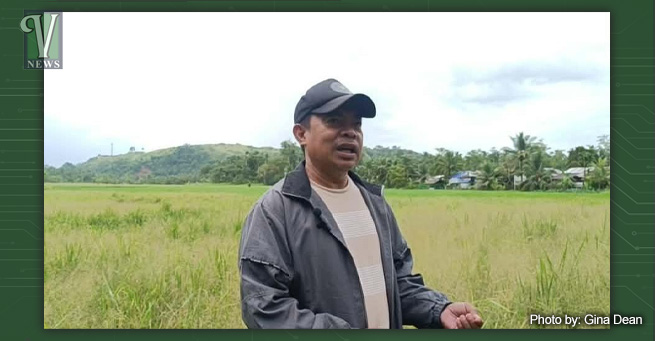
For decades, Gil Jaropojop walked the beat, enforcing the law and maintaining order. Today, his “precinct” has shifted to the emerald-green rice paddies of Barangay Natimonan in Samar. But while the uniform has changed from polyester to sweat-stained denim, the mission remains the same: service, protection, and a relentless pursuit of integrity.
Jaropojop’s transition from police officer to pioneer farmer is more than just a retirement story; it is a scathing indictment of the status quo in Philippine agriculture and a blueprint for what “sincere” government intervention should actually look like.
The Discipline of the Grid
In a sector often romanticized as “traditional,” Jaropojop treats farming with the tactical precision of a police formation. By introducing gridline planting and mechanized harvesting, he has proven that the “old ways” are often just euphemisms for inefficiency.
However, technology alone isn’t a silver bullet. Jaropojop’s frustration with palay being dried on public highways, where passing trucks crush the grains and the farmers’ profits alike, highlights a massive systemic failure. We are a nation that imports billions of pesos worth of rice, yet we lack the basic post-harvest infrastructure to protect the “integrity of the grain” produced by our own heroes.
The “Criminals” in the Field
Every cop knows that a crime scene requires an investigation into the “motive.” In the fields of Gandara, the motives are clear: exploitation and neglect. Jaropojop rightly identifies the true villains of the agricultural story:
• The Price Trap: Farm-gate prices plummeting to P15 per kilo at harvest time is a theft of labor. When the cost of seeds, fuel, and transport rises while the payout shrinks, farming becomes a cycle of debt rather than a source of livelihood.
• The Irrigation Illusion: The government speaks of becoming a “Rice Granary,” yet Jaropojop points to a graveyard of “one-size-fits-all” projects. Expensive machinery sits idle because it wasn’t designed for local soil; irrigation canals remain dry because the planners never bothered to consult the men holding the shovels.
A Call for Sincerity
Jaropojop’s message to the authorities is a stinging rebuke: Consult the farmers. True agricultural support isn’t found in a ribbon-cutting ceremony for a machine that doesn’t work. It is found in “sincere” irrigation, stable floor prices, and protection from the environmental fallout of mining and climate change. The government must stop treating farmers as passive recipients of charity and start treating them as the strategic backbone of national security.
Protecting the Breadbasket
Gil Jaropojop may have traded his badge for a wide-brimmed hat, but he is still on the front lines. He is protecting his neighbors from despair and his nation from hunger.
If the government wants to honor the “conscience” that Jaropojop calls for, they must stop looking at agriculture through the lens of statistics and start looking at it through the eyes of the farmer. Until the state matches the discipline and “sincerity” of men like Gil, our food security will remain a cold case.
(Photo by: Gina Dean)


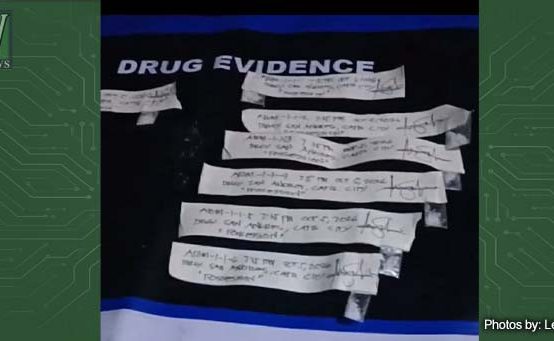 Drug Suspect Arrested, 7 Shabu Sachets Seized in Catbalogan
 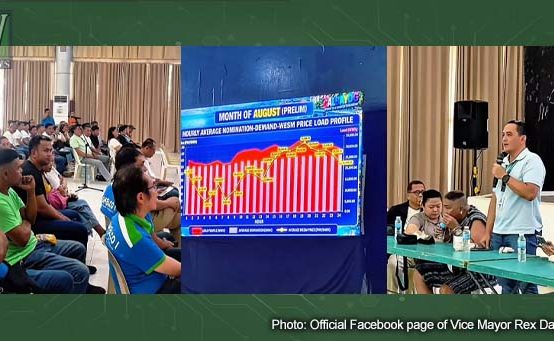 Calbayog LGU, SAMELCO I Discuss Rising Power Rates
  Catbalogan Walang Gutom Kitchen to Serve 400 Meals Daily Starting October
  Five Calbayognon Women Take Home Crowns in Hadang Festival 2026
  Construction worker shot in Catbalogan
  Police Step Up Patrols After Gunfire in Catbalogan