

 The Vanguard
 Posted on Feb. 8, 2026 at 2:04 am
“The seed of insurgency will not flourish when good governance delivers genuine public service.“
In the region’s most remote areas, deep in the mountains, the presence of government services is barely felt. Even getting a birth certificate means a full day of walking to the central town, leaving the fields and the family behind. For residents in remote barangays, this reality makes them feel invisible, unseen and uncounted by the government that supposedly serves them.
This is the quiet gap where trust erodes. When the birth certificate, the basic proof of a person’s existence, remains out of reach, so does access to schooling, healthcare, and legal protection. That absence doesn’t just create hardship; it sows the seeds of alienation. It tells a community that the government serves only those it can easily see.
This invisibility is a fertile ground for discontent and alienation to take root. When the government’s presence is not felt, it ceases to be a service provider and becomes an inaccessible authority. This gap between the government and its remote constituents breeds a narrative that governance is only for the accessible and the connected, a perception that creates an opening for rebellious influences that promise simpler, more tangible forms of support.
But the story is starting to change. In Cabucgayan, Biliran, the woman in charge of birth and marriage records, Rosalie Agang, decided that if the people couldn’t come to the town hall, the town hall would go to them.
Her office started a program called “Rehistro Mo, Iduol Ko,” which simply means, “Your Registration, I Will Bring to You.” She and her team pack their bags with forms and walk to the farthest communities, like Sitio Tagaytay in Barangay Balaquid. There, they sit down with the elders, the young mothers, the farmers, and help them get their documents right in their own neighborhood. Once the papers are ready in town, they deliver them back. No journey required.
This is a simple idea, but it has a deep meaning. A birth certificate is not just a piece of paper. It is the key to enrolling a child in school. The key to getting government support when times are hard. Without it, a person is invisible to the system. When the government fails to bring these basic services to its people, it leaves a space where trust can disappear.
But the story of this walking registrar is a quiet act of good governance. It tells of a family in the farthest mountain that they count. It tells a fisherman in a coastal community that their existence matters to the nation.
This is a story from one town, but it holds a lesson for all. The real test of government service is not only measured in the lowlands, but in the hardest places to reach. Government services are the people’s right. We should expect them, ask for them, even if we are far away.
Effective governance in isolated areas requires officials to leave the comfort of their offices to meet people in the hinterlands. The path to enduring peace and unity is paved not only with roads and bridges, but with the quiet, determined climb of public servants, bringing government services up the mountain.
When the government makes the effort to climb the mountain, it builds a bridge of trust that no enemy of peace can easily break. The most powerful force against division is a government that proves, through simple acts, that no Filipino is too far away to be seen. An maupay nga gobyerno amo an gobyerno nga inaabat.


 Biliran Bridge Reopens After Repairs; Drivers Asked to Stay Safe
 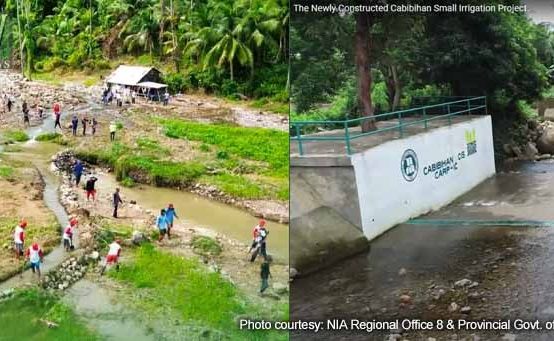 Biliran’s Farmers Are Still Waiting for Water Despite a 100% Irrigation Claim
 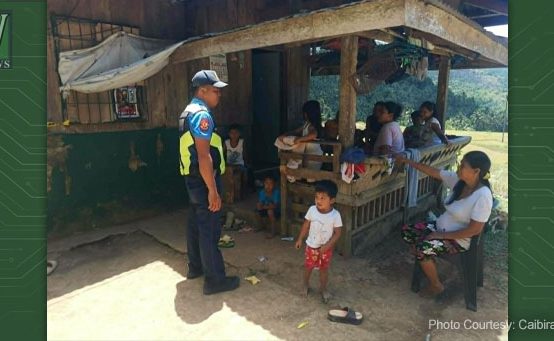 Man Arrested for Fatal Attack on Sister
  Foreign National Arrested After Rescuing Three Minors
 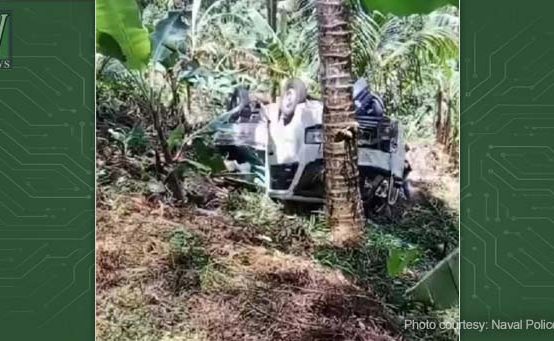 Three Safe After Service Vehicle Crash in Biliran’s Little Baguio
 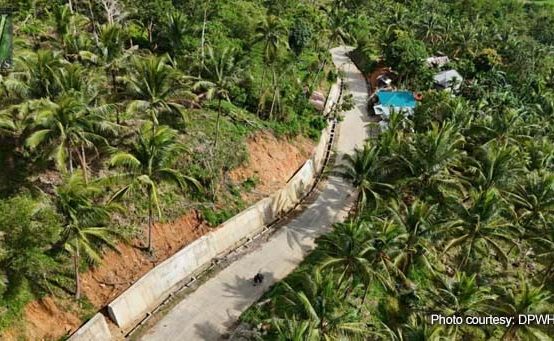 Biliran DPWH Builds Drainage, Landslide Wall for Caucab-Almeria Road