
 Gina Dean
 Posted on Apr. 12, 2026 at 5:01 pm

The root of conflict is rarely just an abstract political grievance; it is the absence of inclusive development for both former rebels and the community at large. While the local government is nurturing a fragile hope, turning that hope into a permanent reality requires realizing the “dream” of connectivity. To encourage rebels to leave the hills, we must first build the roads that lead them home.
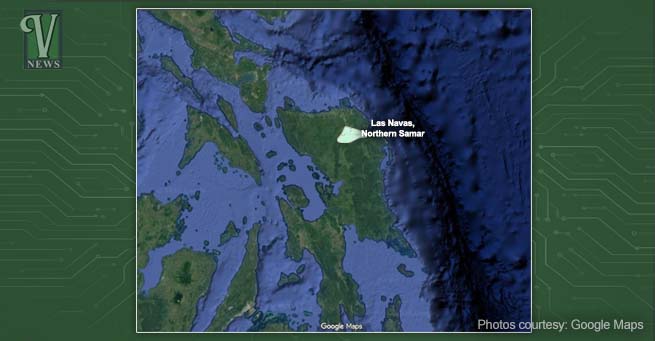
For decades, the dense jungles and rugged terrain of Las Navas, Northern Samar, have served as more than a geographic backdrop—they have been a tactical shield for insurgency. While the municipality has yet to be officially declared under a State of Internal Peace and Security Condition (SIPSC), the winds of change are blowing. However, as the community reaches for a future of harmony, they face a literal roadblock: a critical lack of infrastructure.
The Geography of Isolation
With 53 barangays currently lacking viable road networks, a significant portion of the municipality remains vulnerable to insurgent influence. This is not a coincidence; isolation is the lifeblood of rebellion. When a village is cut off from the reach of the law and the pulse of the market, a vacuum is created. Into that void steps the insurgency, offering a shadow governance that thrives on the state’s physical absence.
Mayor John Philbert Tan’s assessment is blunt: the lack of roads is the primary reason conflict persists. Without access, these remote areas remain fortified by their own terrain, making it nearly impossible for the LGU to deliver the essential services, healthcare, and education that prove the government’s utility to its citizens.
Beyond the “Peace Village”
The municipality has made admirable strides in peace-building. The establishment of Northern Samar’s “Peace Village” and the rollout of incentive programs—incorporating technology and financial aid—demonstrate a sophisticated approach to reintegration. These efforts are creating a ripple effect, drawing fighters from across the island of Samar who are seeking a way out of the mountains.
Yet, a Peace Village is a transition, not a destination. For sustainable reintegration, former rebels must eventually return to their home barangays. If those communities remain unreachable, the cycle of vulnerability begins anew. We cannot expect a former fighter to sustain a civilian life if they cannot transport their crops to a market or if their children cannot easily reach a schoolhouse.
A Call for National Priority
The LGU of Las Navas envisions progress, but they are working with limited resources. Building roads through 53 barangays is a monumental task that exceeds local funding capacity. This is no longer just a public works project; it is a national security imperative.
“Every kilometer of pavement laid in the hinterlands of Northern Samar is a kilometer of territory reclaimed for peace.”
The national government must recognize that prioritizing these networks does more than facilitate trade; it dismantles the physical barriers that allow insurgency to hide. To end the conflict, the state must bridge the gap between the isolated hills and the path to progress.


 Northern Samar Approves Right To Care Ordinance: Residents Can Choose Healthcare Representatives
  The Extra Liter Paglaum Pupils Had to Carry
  Army Recovers Hidden Arms Cache in Albuera, Leyte
 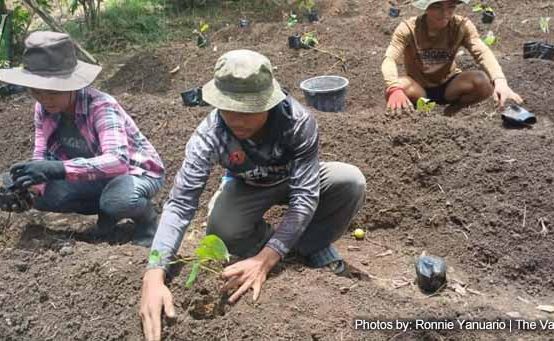 From Conflict to Crops: Farming Gives Leyte Families a Fresh Start
  Bringing Hopes of More Jobs: Northern Samar’s Capul, Biri Eyed as Stops for French Luxury Cruise Voyage
  803CDC Promotes, Honors Reserve Personnel in Samar Ceremony