
 Gina Dean
 Posted on May 3, 2026 at 3:43 pm
CALBAYOG CITY — As the Philippine agricultural landscape undergoes a period of rapid evolution, the Department of Agrarian Reform (DAR) continues to champion its foundational mission of transforming the Filipino farmer from a marginalized “slave of the soil” into a self-reliant landowner.
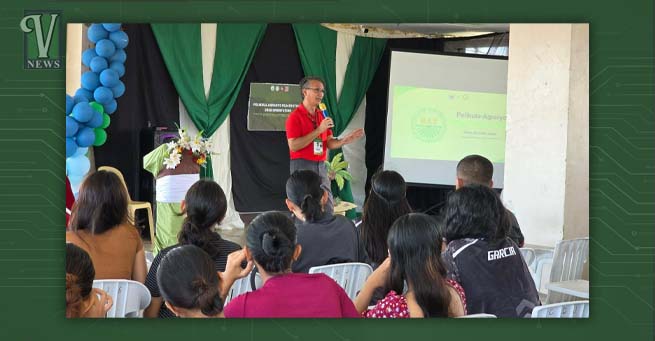
In a recent briefing at Northwest Samar State University, DAR-8 Regional Information Officer Jose Alsmith Soria clarified the distinct roles of government agencies, noting that while the public often conflates the DAR with the Department of Agriculture (DA), they serve vastly different purposes. Soria emphasized that while the DA prioritizes crop productivity and technical support, the DAR operates as a social justice agency dedicated to land tenure, the protection of tenant rights, and the equitable distribution of resources.
The history of the department remains inextricably linked to the Marcos presidency, having been established on September 10, 1971, through Republic Act No. 6389. Under the administration of Ferdinand Marcos Sr., agrarian reform was designated the “cornerstone” of the government’s domestic agenda. This historical narrative has reached a unique point of continuity under the current administration of Ferdinand Marcos Jr., who appointed Conrado Estrella III to lead the department. In a notable parallel, Estrella III is the grandson of Conrado Estrella Sr., the very first secretary who laid the groundwork for the nation’s land reform systems more than five decades ago.
The agency’s journey is defined by pivotal policy shifts designed to reduce social conflict and increase farmer autonomy. A primary achievement in this evolution was the abolition of “share tenancy”—a system often plagued by disputes and perceived exploitation—in favor of the institutionalized leasehold system. By fixing rentals based on historical harvest averages, the DAR ensured that farmers could retain a larger, more predictable portion of their yield, typically securing 75% for the tiller. This move was intended to provide immediate stability and reduce the “stress” and monitoring issues historically associated with harvest season.
Furthering this pursuit of autonomy, the DAR has moved toward the “splitting” of land titles to ensure long-term security. While the government previously issued Collective Certificates of Land Ownership Award (CLOAs) to accelerate the pace of land distribution, these shared titles often led to internal disputes among beneficiaries regarding boundaries and management.
To resolve these conflicts, the DAR is now aggressively transitioning toward Individual CLOAs, granting each farmer a clear and uncontested legal claim to their specific plot of land. This administrative shift is complemented by adjusted financial terms, with amortization periods evolving from 25 years under Presidential Decree No. 27 to 30 years under the Comprehensive Agrarian Reform Program (CARP) to ensure affordability for the “amortizing owner.”
In an effort to bridge the gap between these historical struggles and modern public consciousness, the department has launched the Pelikula Agraryo Film Festival 2026. The DAR is currently conducting orientations across various academic institutions to provide students with the necessary historical and legal context to participate in the festival.
These sessions serve three primary objectives: clarifying the DAR’s identity as a social justice agency, providing a deep-dive into the Spanish-era roots of landlessness, and equipping student filmmakers with the technical “inputs” required to accurately document the farmer’s path to dignity.
Ultimately, the DAR’s current initiatives aim to rewrite the narrative of the Filipino farmer. According to Soria, the department’s goal is to facilitate a journey that leads away from historical exploitation toward legitimate property ownership.
As it moves through 2026, the DAR remains the primary arbiter of land equity in the Philippines, working to ensure that the nation’s agricultural progress is built upon a foundation of social justice and individual property rights.


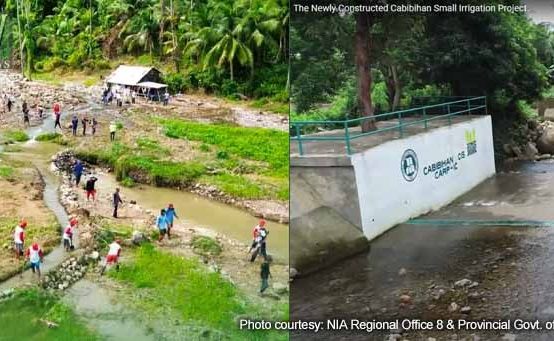 Biliran’s Farmers Are Still Waiting for Water Despite a 100% Irrigation Claim
 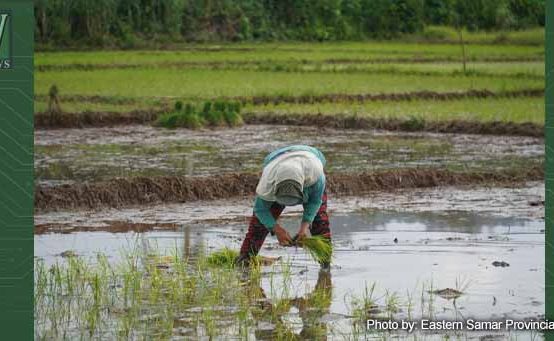 In Dolores’ Fields: Where Rice Grows Dreams for Eastern Samar
 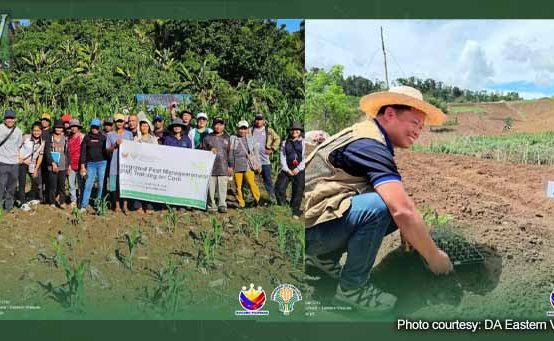 DA Promotes Modern Farming in Eastern Visayas
 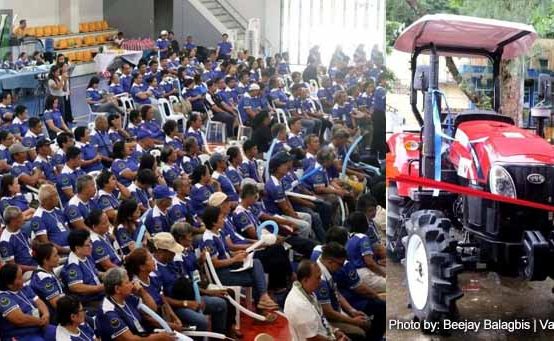 Land, Hope, and Progress: Eastern Samar Farmers Receive Titles, Debt Relief, and New Equipment
  Tacloban Expands P20 Rice Aid to 1,000 Residents
  Villaba, Leyte gets P237-M Banana Processing Facility to Uplift Farmers’ Livelihoods