
 The Vanguard
 Posted on Feb. 20, 2026 at 4:23 pm
The debate over poverty alleviation swung between two poles: do we give people fish, or do we teach them to fish? The Department of Social Welfare and Development’s (DSWD) Sustainable Livelihood Program (SLP) in Eastern Visayas offers a compelling answer: we do both, and then we help them build a fishpond.
This year, 17,789 individuals and associations across the region will benefit from an expanded SLP budget exceeding P300 million, an increase from the P237.5 million disbursed to nearly 14,000 beneficiaries last year. But the story here is not merely about increased appropriations. It is about a shift in how the government approaches poverty, moving from temporary relief to lasting economic independence.
Livelihood programs should sustain. For too long, government assistance has been measured by disbursement rates rather than outcomes. Are beneficiaries still running their enterprises five years after receiving assistance? Are their children still in school? Have they crossed the poverty line permanently?
The government should ensure that beneficiaries genuinely manage their projects rather than merely consuming their grants to reflect a maturity in social welfare policy. It shows that poverty is not solved by cash transfers alone, but by building productive capacity.
DSWD records indicate that SLP posted a 74.47% success rate in 2025, and the agency is now aiming for 80% by year’s end. This is attributed to DSWD’s intensified efforts of project development and monitoring officers who provide technical support, not just financial assistance. Assigning government workers to guide beneficiaries through the challenges of enterprise management transforms the program from a simple dole-out into a fruitful partnership.
The variety of livelihoods supported by SLP reflects the region’s economic diversity: handicrafts, bangus production, egg production, kakanin-making, and tikog-weaving, among others. These are not grandiose schemes requiring foreign investment or multinational corporations. They are community-based enterprises rooted in local skills and markets.
This is development done right, starting where people are, rather than where planners wish them to be.
The ambitious target of 80% by year’s end is achievable. It will require continued investment in technical support, rigorous monitoring, and perhaps most importantly, the humility to learn from beneficiaries themselves. Programs succeed when they listen to the people they serve.
Eastern Visayas has come far since Typhoon Yolanda. The region’s recovery has been remarkable, but recovery is not the same as prosperity. Programs like SLP bridge that gap, helping communities move from surviving to thriving.
Poverty alleviation must be sustainable. The government must partner rather than patronize. Success is measured not by money spent but by lives transformed. That is the sound of sustainable development. That is the sound of hope becoming reality. An maupay nga pagdumara nakakabag o han kinabuhi.


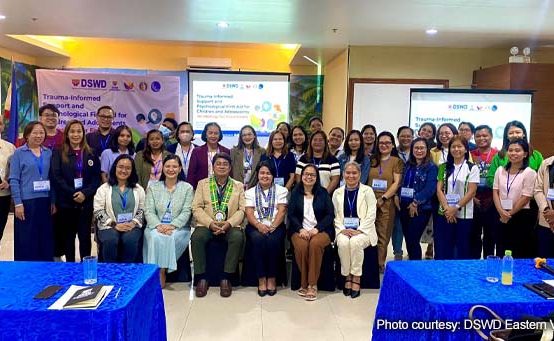 Equipping Frontliners to Heal Young Minds in Eastern Visayas
 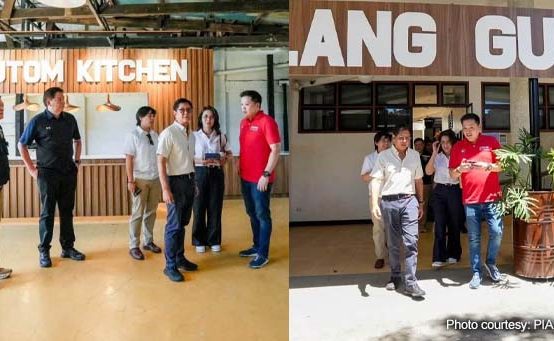 Marcos Inspects Walang Gutom Kitchen in Catbalogan
  Catbalogan Walang Gutom Kitchen to Serve 400 Meals Daily Starting October
 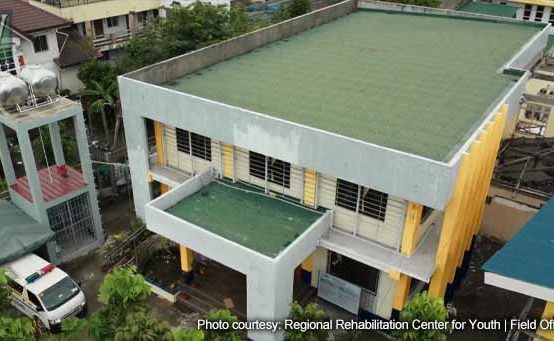 Behind the Walls: How DSWD Helps Children in Conflict with the Law Start Again
  The Lesson from Tacloban: Mental Health Cannot Wait
  Tacloban Fisherfolk’s Livelihood Project Delayed by Demolition Concerns