
 Jazmin Bonifacio
 Posted on Jan. 30, 2026 at 2:08 pm
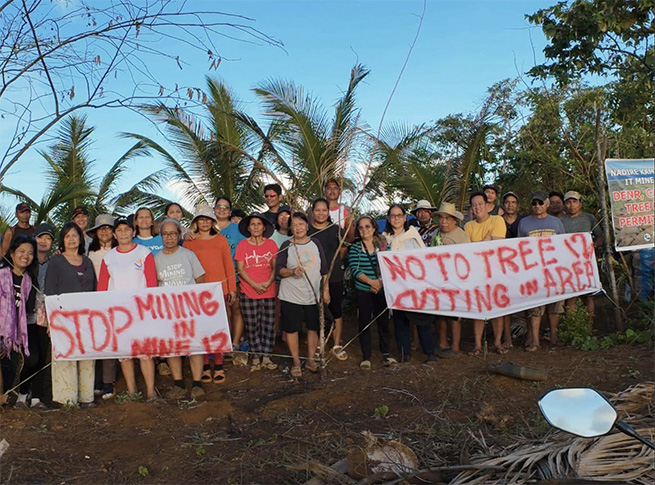
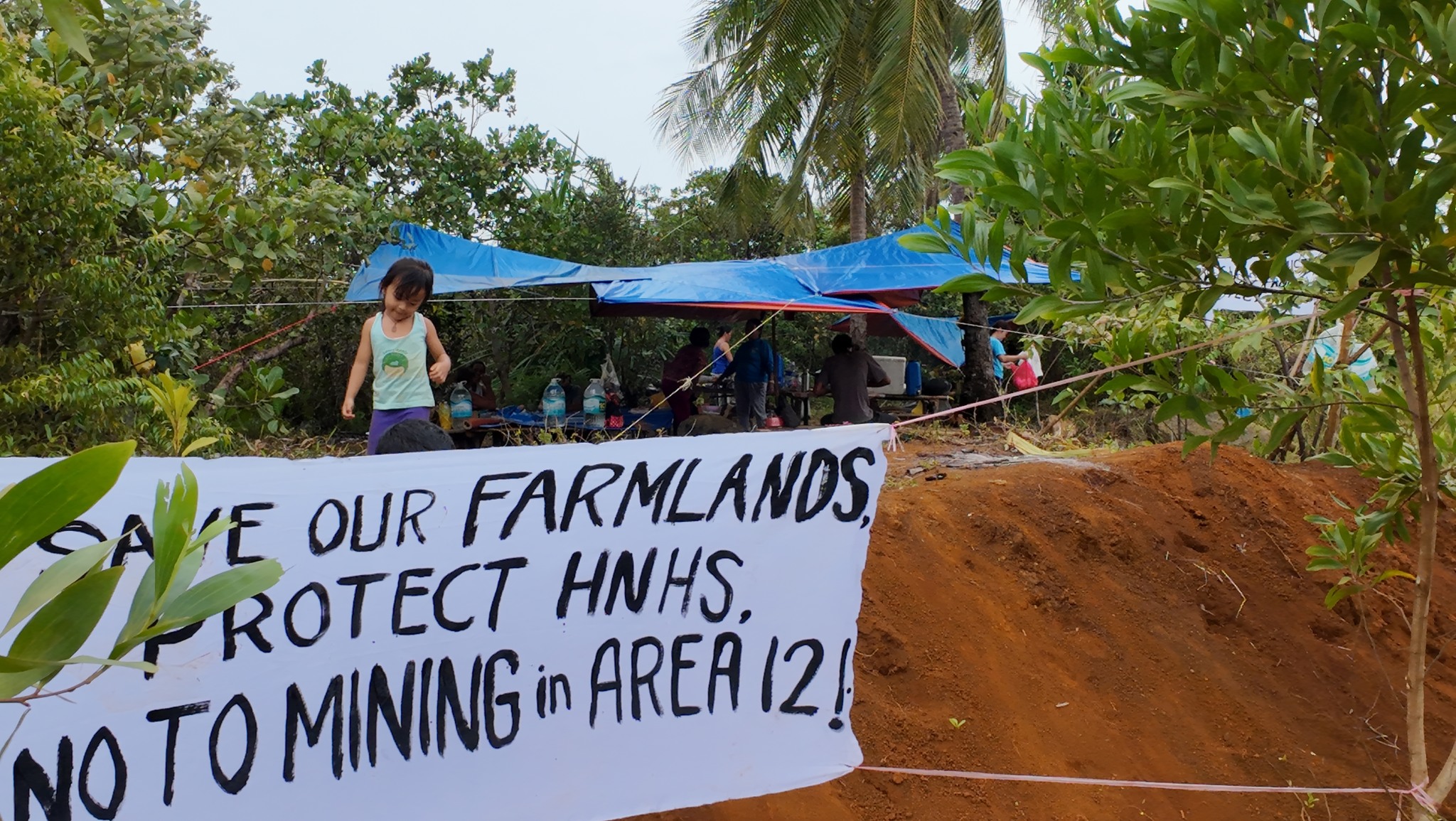
GUIUAN, Eastern Samar — Nearly 300 residents of Barangay Casuguran on Homonhon Island filed a petition on January 16, 2026, urging authorities to cancel mining permits within Mine Areas 12 and 14. They say continued mining threatens the island’s only source of freshwater.
The petition, sent to Guiuan Mayor Annaliza Gonzales, Congressman Sheen P. Gonzales, and the Department of Environment and Natural Resources (DENR), pointed out that the mining sites are situated above Homonhon’s remaining forested watersheds, which are the sources of springs supplying water to the whole island.
There is absolutely no other source for us, explained Carmi Macapagao, head of the Homonhon Environmental Advocates and Rights Defenders (HEARD). When our water sources are destroyed, it will be like the end of the world for us here on this island.
Despite the short distance between Homhon and Guiuan, residents say it doesn’t matter when storms hit. Boats are unable to sail, cutting off food, medicine, and emergency services.
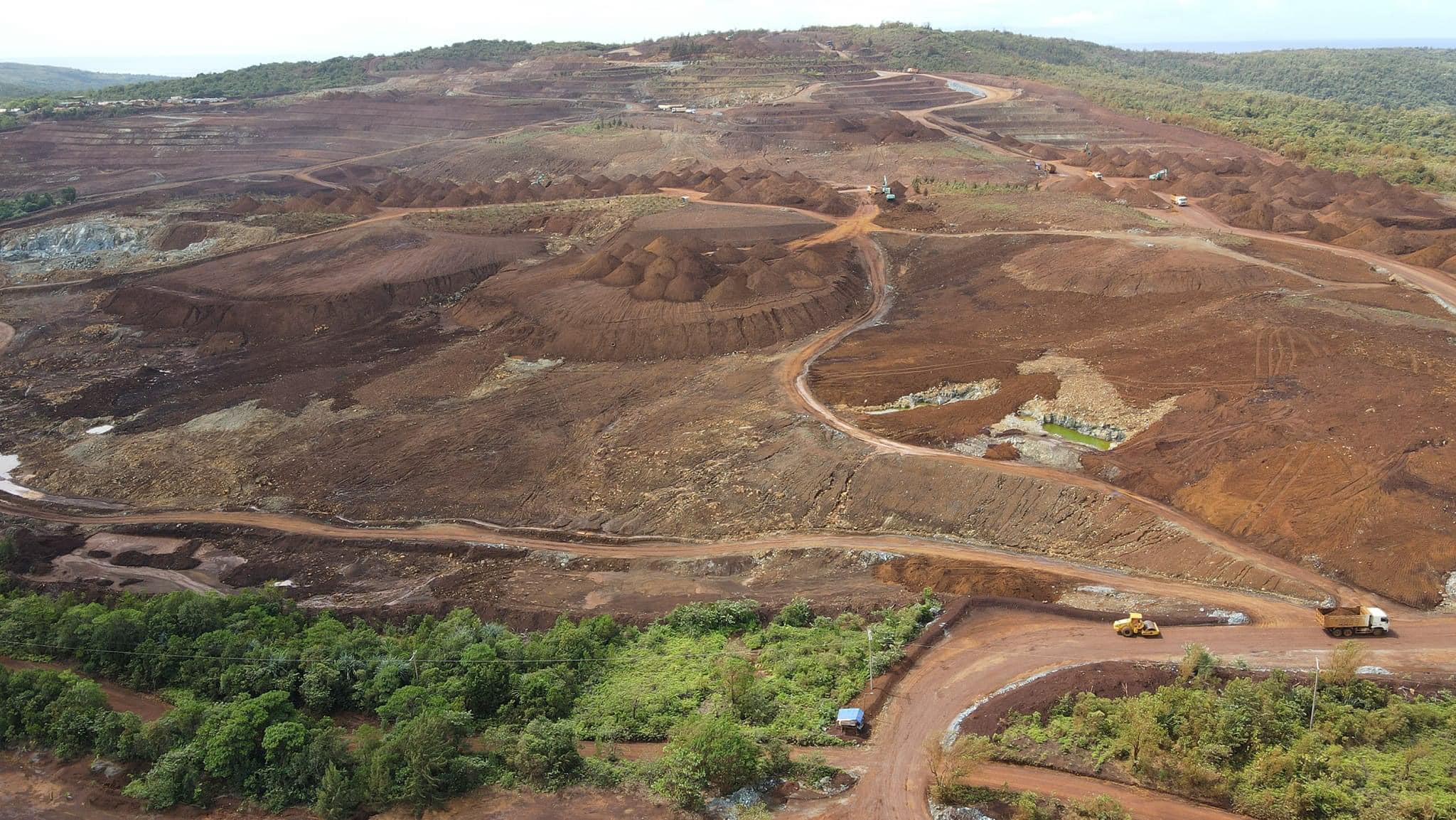
In such situations, the islanders rely solely on water from Homonhon. Locals claim that mining has slowly taken over that lifeline. Trees are cut down, hills are reshaped, and dust from mining operations settles on houses, crops, and water containers.
Homonhon relies entirely on spring water from forested watersheds. The island lacks reservoirs, desalination plants, or backup water supplies.
Climate change has worsened the situation, with irregular rainfall, longer dry seasons, and weakening springs.
Mine Areas 12 and 14 sit atop the San Juan, Tabao, and Titigawan catchments, the main water sources of the island. Locals argue that excavation, blasting, and deforestation activities threaten the underground channels supplying Homonhon’s springs.
Mining has also heightened competition for water. As watersheds shrink, external workers increase demand in a community already rationing daily water use.
At least four companies operate or hold mining tenements on the island, including Emir Mineral Resources Corp. (EMRC), Techiron Resources Inc., King Resources Mining Corp., and Global Met Resources Inc. Government records show that EMRC, Nickelace Inc., and Chromiteking Inc. hold Mineral Production Sharing Agreements for nickel and chromite, while Mt. Sinai Mining Exploration & Development Corp. reportedly holds a concession but in active. Four of the six mining companies in Eastern Samar are concentrated on Homonhon, leaving residents feeling surrounded.
Macapagao estimates that up to 60 percent of the island’s land has been cleared. Environmental assessments link large-scale earthmoving to soil erosion and siltation, polluting springs, streams, and coastal waters.
Dust pollution has worsened respiratory problems, especially among children and the elderly. Some families now purchase water from the mainland, an expense most cannot sustain. Mining has also divided the community: some depend on it for income, while others see it as an existential threat.
The issue gained wider attention when the Diocese of Borongan, through its Diocesan Commission on Social Action, Justice and Peace, publicly supported Barangay Casuguran. Citing Laudato Si’ and Catholic social teaching, the diocese called on government agencies and mining companies to protect water sources.
“Defending water is defending life,” the Diocese said.
Despite these concerns, government regulators have not found the `serious violations’ necessary to cancel permits.
An interagency task force from 2024 continues to review mining activities.
Despite these worries, the government regulators still haven’t found the “serious violations” necessary to cancel the permits. An interagency task force from 2024 is continuously reviewing mining activities.
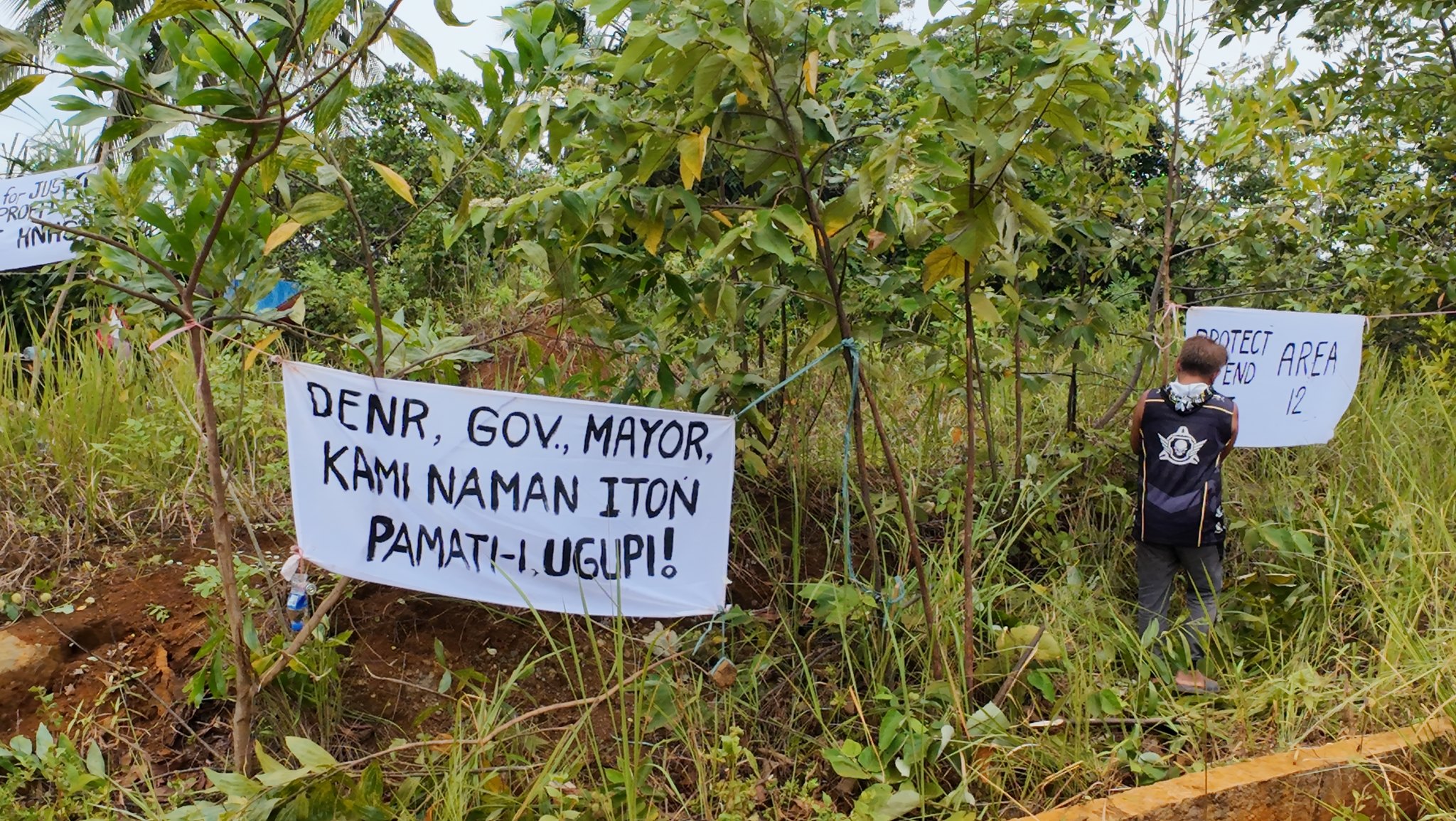
For the neighborhood, residents, the gap between government assessments and their daily reality is widening. By including their mayor, congressman, and DENR officials in the petition, islanders indicated that decisions made away from Homonhon determine their fate.
In January 2026, locals reported ongoing deforestation, road widening, and heavy machinery use near their houses and watersheds.
EMRC remains active in areas claimed to be part of the water system, while NickelAce Inc. plans an expansion in Casuguran.
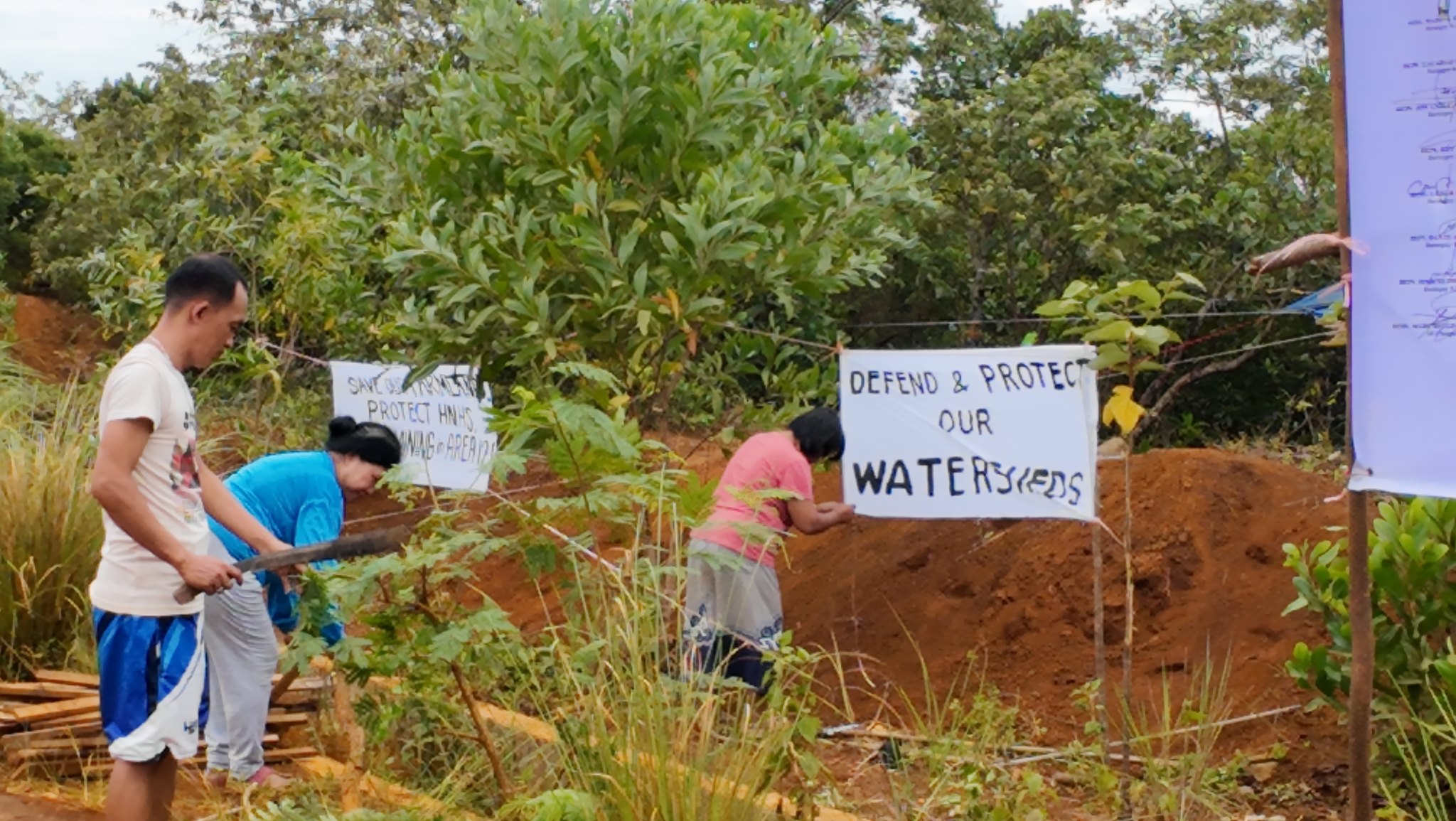
Residents have escalated collective actions by organizing community meetings, documenting environmental destruction, monitoring springs, and physically blocking machines from sensitive areas.
Water scarcity has worsened, with dust and mud flowing into the sea, harming crops, health, and marine life.
Homonhon is not only environmentally fragile but also historically significant. It was where Ferdinand Magellan landed in the Philippines in 1521, marking the first recorded meeting of Filipinos with Europeans.
Locals fear that ongoing environmental devastation will erase both natural and cultural heritage.
The petition in January went beyond mining permits for many. Children and
and grandparents alike signed it, united in the belief that saving water is saving life, and defending watersheds is defending their right to remain in Homonhon.
As climate change affects small island communities, Homonhon tests governance and priorities.
On this historic island, where the Philippines’ recorded history began, water is the ultimate measure of justice.
(Photo credits: Save Homonhon Movement & Car Mi Facebook Account)


 Public Pulse: Plea or Process? A Fair Look at the BBM Program Concerns
  Road projects to make travel easier, livelihoods better in Maslog
  Can-avid LGU Distributes 10Kg Rice Aid to 5,000 Families
  Borongan’s Insurgency-Free Status Boosts Hopes for Eastern Samar Tourism
  DENR Launches Mobile Permitting Services in Guiuan
  In Dolores’ Fields: Where Rice Grows Dreams for Eastern Samar